|
|
Biography |
|
|
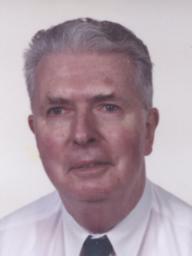 Education
BSc First Class Honours Biological Chemistry, University of Bristol
PhD University of Bristol; Amino acid and protein synthesis in barley
DSc University of Bristol; Plant cell biology and nitrogen metabolism
Career
Civil Service Commission Research Fellow in Bacterial Chemistry
Lecturer, then Reader, Department of Botany, University of Nottingham
Research Fellowships at the ETH, Zurich and Max Planck Institute for Medical Research, Göttingen, Professor of Botany and Head of Department of Botany, University of Nottingham and sometime Director of Biological Studies
Head Agricultural Research Council Research Group: Somatic hybridization of cereals and other crop plants by the fusion of isolated protoplasts
Vice Dean, Faculty of Pure Science
Dean, Faculty of Science
Professor of Botany and Head of Plant Genetic Manipulation Group, University of Nottingham (Emeritus Professor, 1997)
Director, Centre for Crop Nitrogen Fixation, University of Nottingham
Membership and Distinctions
Fellow of the Royal Society, Member Academia Europaea, Member Hungarian Academy of Sciences, Leverhulme Trust Research Fellow, Fellow Indian Academy Agricultural Sciences, Member Lawes Trust (Rothamsted), Fellow World Innovation Foundation, Lifetime Achievement Award, University of Toledo (USA).
Education
BSc First Class Honours Biological Chemistry, University of Bristol
PhD University of Bristol; Amino acid and protein synthesis in barley
DSc University of Bristol; Plant cell biology and nitrogen metabolism
Career
Civil Service Commission Research Fellow in Bacterial Chemistry
Lecturer, then Reader, Department of Botany, University of Nottingham
Research Fellowships at the ETH, Zurich and Max Planck Institute for Medical Research, Göttingen, Professor of Botany and Head of Department of Botany, University of Nottingham and sometime Director of Biological Studies
Head Agricultural Research Council Research Group: Somatic hybridization of cereals and other crop plants by the fusion of isolated protoplasts
Vice Dean, Faculty of Pure Science
Dean, Faculty of Science
Professor of Botany and Head of Plant Genetic Manipulation Group, University of Nottingham (Emeritus Professor, 1997)
Director, Centre for Crop Nitrogen Fixation, University of Nottingham
Membership and Distinctions
Fellow of the Royal Society, Member Academia Europaea, Member Hungarian Academy of Sciences, Leverhulme Trust Research Fellow, Fellow Indian Academy Agricultural Sciences, Member Lawes Trust (Rothamsted), Fellow World Innovation Foundation, Lifetime Achievement Award, University of Toledo (USA).
|
|
|
|
|
|
|
Abstract |
|
|
|
|
|
|
|
|
Norman Borlaug highlighted the need to extend the symbiotic nitrogen fixation of legumes with rhizobia to the world’s major cereals, maize, rice, and wheat, to sustain the Green Revolution (Borlaug, 1970). He acknowledged that even though high-yielding dwarf wheat and rice varieties were the catalysts that ignited the Green Revolution, chemical fertilizers, particularly synthetic nitrogen fertilizers produced from fossil fuel by the Haber-Bosch process, were the fuel that enabled its forward thrust.
In legumes, symbiotic nitrogen fixation occurs within cells of nodules that have been intracellularly colonized by rhizobia present in membrane-bound vesicles in the cytoplasm. The challenge of establishing a nitrogen-fixing symbiosis in cereals and other major non-legume crops is basically the challenge of establishing an adequate level of intracellular colonization and nitrogen fixation without necessarily the need for nodulation.
We have investigated the interaction of Gluconacetobacter diazotrophicus, a non-nodulating nitrogen-fixing bacterium isolated from the intercellular juice of sugarcane, with the cereals maize, rice and wheat. We have shown that inoculation with very low number of G. diazotrophicus (approx 5 per plant) results in extensive intracellular colonization of root meristems and progressive systemic plant colonization. These intracellular bacteria present in membrane-bound vesicles in the cytoplasm of the cells of roots and shoots express nitrogenase genes. Nitrogenase is the bacterial enzyme complex that forms ammonla from gaseous nitrogen (N2) and hydrogen (Cocking et al. 2006).
We are investigating by nitrogen balances and 15N methodology whether this non-nodular intracellular colonization by G. diazotrophicus results in symbiotic nitrogen fixation of benefit to plant growth. Field trials will need to be performed under a range of environmental and soil conditions to establish reductions possible in synthetic nitrogen fertilizer, while maintaining or increasing yields. There is an ever increasing urgency to do so not only to mitigate increases in reactive nitrogen depositions but also for Global Food Security. The Royal Society Report (2009) on Reaping the Benefits: Science and the Sustainable Intensification of Global Agriculture has highlighted the need for research on high-return topics such as nitrogen fixation in cereals to provide the dramatic, but sustainable, improvements in crop production urgently required. Food Security and the challenge of feeding 9 billion people requires a multifaceted and linked global strategy including how to optimise the use of nitrogen to not only produce enough food to meet the demand form population increase and the expansion of biofuel production, but also to minimise the impacts of synthetic nitrogen fertilizers on the environment and human health.
Borlaug, N.E. (1970) The Green Revolution: Peace and Humanity Nobel Peace Prize. CIMMYT, Mexico DF.
Cocking, E.C., Stone, P.J. and Davey, M.R. (2006) Intracellular colonizaiton of roots of Arabidopsis and crop plants by Gluconacetobacter diazotrophicus. In Vitro Cell Dev Biol-Plant 42, 74-82.
|
|
|
|
|