|
|
Biography |
|
|
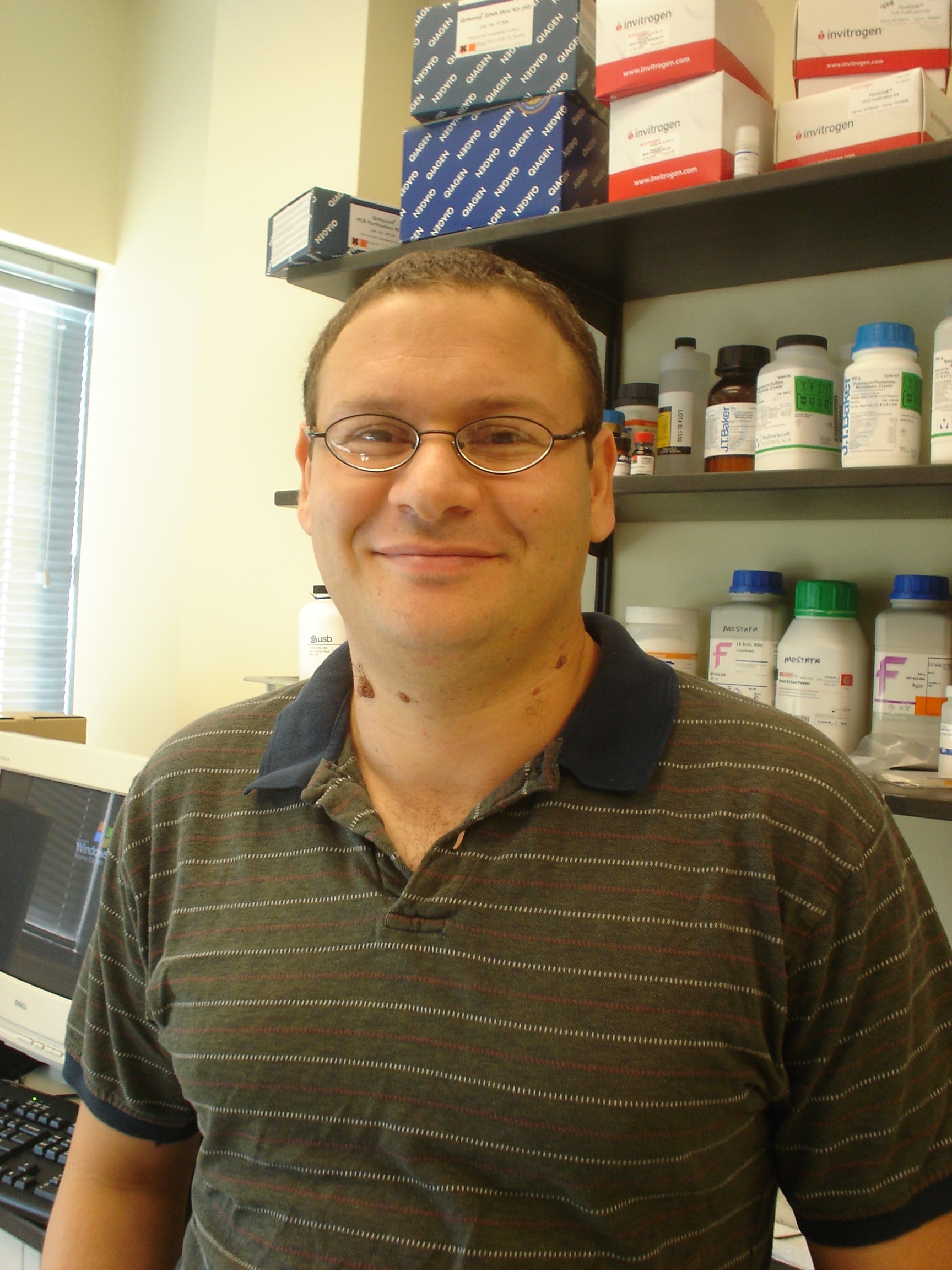 I am a native of Egypt. I graduated from Cairo University school of Pharmacy in 1993, and worked as a community pharmacist in Cairo Egypt between 1993 and 1996.
I Joined Dr. Michael McInerney’s laboratory at the University of Oklahoma as a graduate student in 1996 and got my Ph.D. in the fall of 2001. In my graduate work, I researched the pathway for benzoate degradation in the syntrophic microorganism Syntrophus Aciditrophicus strain SB.
I worked as a post-doctoral research associate in the laboratory of Dr. Lee Krumholz, also at the university of Oklahoma between from Fall 2001 to December 2006. We investigated the microbial ecology of an anaerobic sulfide and sulfur-rich spring (Zodletone spring).
As a faculty member at OSU, I have multiple research interests. Some of them are a logical extension of my Ph.D. and post doctoral training e.g. Microbial ecology and Environmental genomics of anaerobic habitats. Others are new research interests I developed since e.g. Petroleum microbiology and physiology and genomics of anaerobic fungi (Phylum Neocallimastigomycota).
I am a native of Egypt. I graduated from Cairo University school of Pharmacy in 1993, and worked as a community pharmacist in Cairo Egypt between 1993 and 1996.
I Joined Dr. Michael McInerney’s laboratory at the University of Oklahoma as a graduate student in 1996 and got my Ph.D. in the fall of 2001. In my graduate work, I researched the pathway for benzoate degradation in the syntrophic microorganism Syntrophus Aciditrophicus strain SB.
I worked as a post-doctoral research associate in the laboratory of Dr. Lee Krumholz, also at the university of Oklahoma between from Fall 2001 to December 2006. We investigated the microbial ecology of an anaerobic sulfide and sulfur-rich spring (Zodletone spring).
As a faculty member at OSU, I have multiple research interests. Some of them are a logical extension of my Ph.D. and post doctoral training e.g. Microbial ecology and Environmental genomics of anaerobic habitats. Others are new research interests I developed since e.g. Petroleum microbiology and physiology and genomics of anaerobic fungi (Phylum Neocallimastigomycota).
|
|
|
|
|
|
|
Abstract |
|
|
|
|
Novel approaches for biofuel production from lignocellulosic substrates using anaerobic fungi |
|
|
|
|
|
Lignocellulosic biomass is the raw, non-edible plant biomass that is mainly composed of sugar (cellulose and hemicellulose) and aromatic (lignin) polymers. Generally, lignocellulosic biomass could be virgin biomass (the naturally occurring vegetation within an environment), Crop-waste biomass (the inedible fraction of various crops such as Corn stover, wheat straw, and rice straw), and dedicated energy crops (plants that are planted usually once for the sole purpose of harvesting for energy production such as switch grass). Collectively, lignocellulosic biomass is a vast and underutilized resource for the production of biofuels. In spite of its promise, multiple hurdles need to be overcome to render the process economically feasible. We are utilizing an anaerobic fungal isolate (Orpinomyces sp. strain C1A) as a novel platform for biofuel (ethanol) production from lignocellulosic biomass. The scheme involves utilizing a defined co-culture of strain C1A with a dedicated sugar fermenter e.g. Saccharomyces cerevisiae for direct, high-titer single step production of biofuel from lignocellulosic biomass. We demonstrated the feasibility of this process on switchgrass and corn stover. In addition to the economic relevance of this approach, it has an important environmental relevance since it could be used for the conversion of available crop waste in Egypt into biofuels.
|
|
|
|
|