|
|
Biography |
|
|
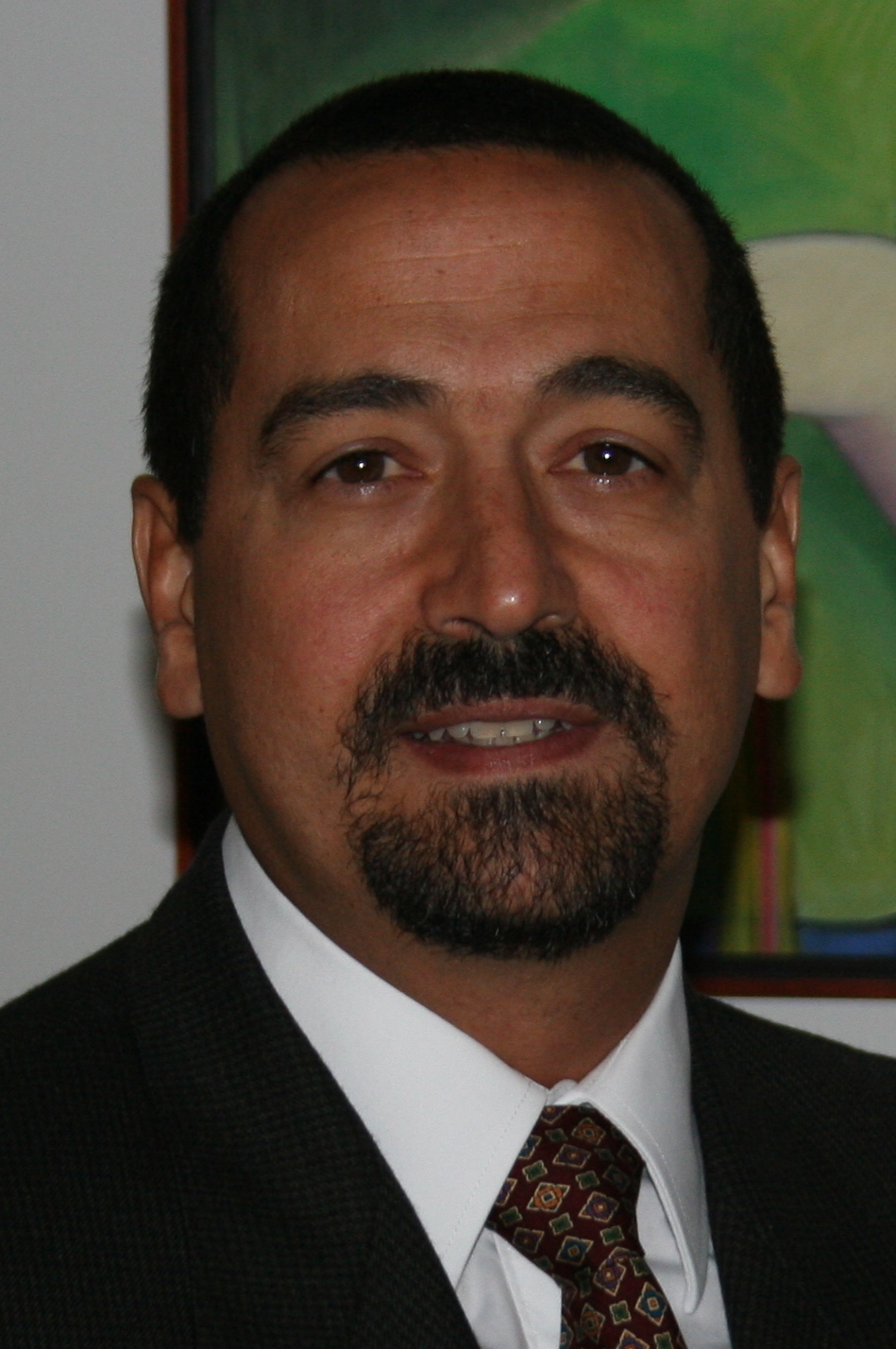 Eduardo G. Gonzalez is Professor at Universidad Simon Bolivar, the leading science and technology university of Venezuela, where he is also a member and co-founder of the Group of Digital Science and founding member of the Bioethics Committee. He is also the CFO of Corporation B4B, a Venezuelan start-up of e-Health. Dr. Gonzalez received his Nutrition and Dietetics degree from Universidad Central de Venezuela, in Caracas, and a MSc and Doctoral degree in Nutrition, specifically Human Nutrition from Universidad Simon Bolivar. In this area he has undertaken basic research with animal models, and applied research in human nutrition focused on lifestyle changes needed to promote health with the use of information technology. His most recent activities are focused on the design and development of a nutrition information center, and the design, development and use of web-based applications to gather data related to food consumption and lifestyle habits.
|
|
|
|
|
|
|
Abstract |
|
|
|
|
Visualizing healthy eating zones: Understanding the differences between diets using the TopFoodMap |
|
|
|
|
|
Diet is regarded as one of the most important risk factors for the appearance of noncommunicable diseases such as cardiovascular, cancers, respiratory and metabolic diseases, among others, that accounted for 68% of the causes of global mortality in 2012. Our diet is defined primarily by cultural and socioeconomic factors and hence the different morbidity patterns throughout the world. There is no ideal diet, although global health recommendations include, for example, a daily high intake of fruits and vegetables and limit the intake of sugars and processed meat. Many questions arise such as “How should I modify my food intake to obtain my metabolic goals?” or “How can I maintain my personal preferences but still adopt a healthy eating pattern?”. The TopFoodMap, is an effort to find answers to such questions by way of a topological visual representation of the energy and nutrient content of foods, to allow us the resolution of individual foods of our diet into clearly visible areas of different food compositions. TopFoodMap, therefore, shows how foods conform clusters based on intrinsic properties or attributes, thus, food products sharing similarities are shown as neighbors in the visual representation. In practical application terms, it is therefore possible to visualize how a particular food can substitute for another in our meals. Similarly, common diets of daily intake also conform clusters as a result of the integration of the nutrient content of all foods consumed. Personal meal patterns shown as clusters, may or may not superimpose other meal patterns and diets based on recommended intakes. Such visual representation should facilitate the understanding and importance of meal patterns and portion sizes for the achievement of health and wellness. It is hypothesized that standard meal patterns will form distinctive clusters that can be used to outline “transition routes” from individual eating patterns. Also, these “transition routes” could be applied in the development of automatic web-based integrated applications for overall health prevention strategies. |
|
|
|
|