|
|
Biography |
|
|
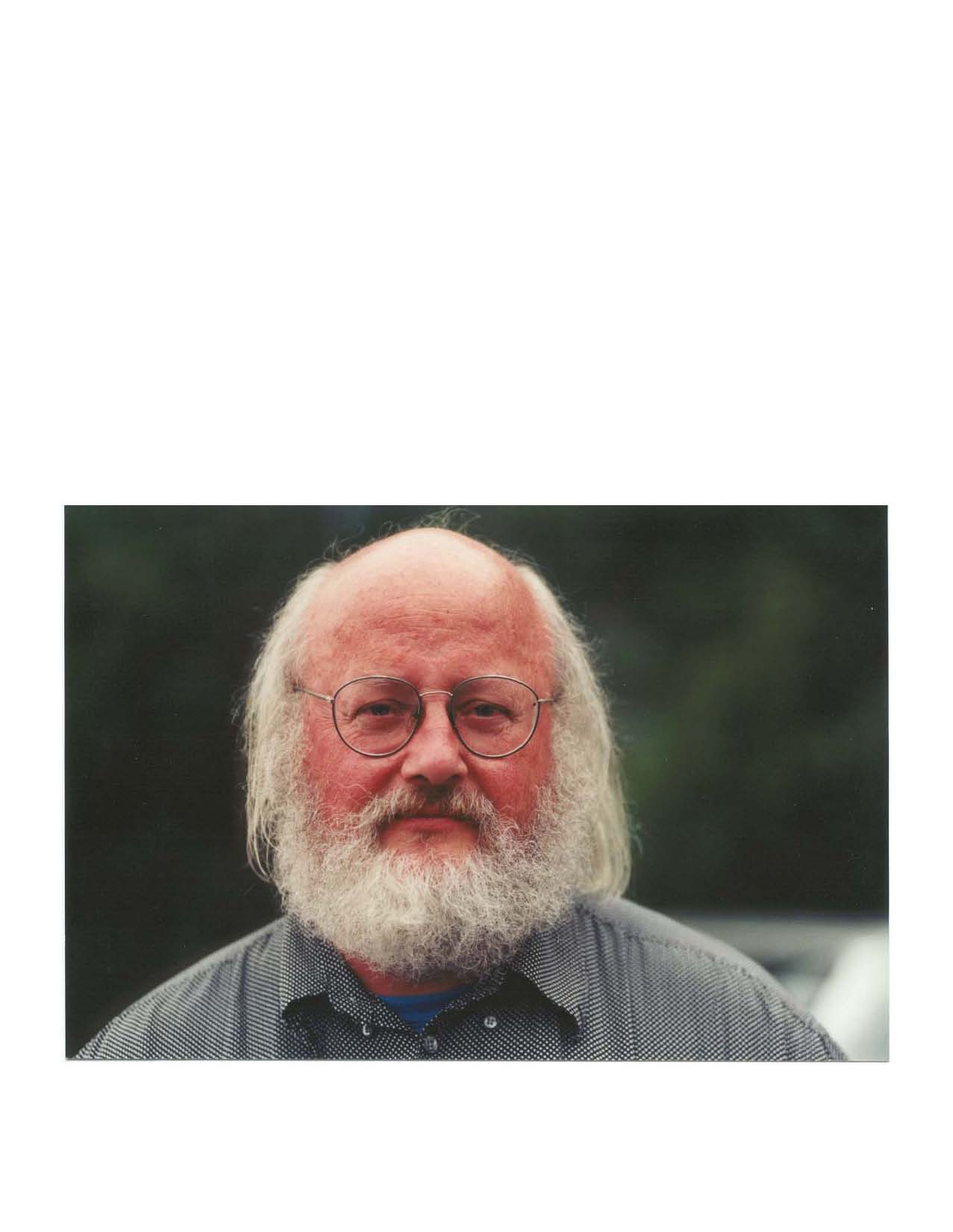 CURRICULUM KLAUS AMMANN 2010
Klaus Ammann Prof. em. University of Bern, Switzerland
Skypein +41 33 543 91 52, mobile +41 79 429 70 62
klaus.ammann@ips.unibe.ch
Academic curriculum
Director Botanic Garden, University of Berne 1996 – 2006
Honorary Professor since 2000
Retirement from University and Botanic Garden Bern: February 2006
Visiting professor Delft University of Technology, Biotechnology Dept. 2006-2008
Visiting professor Sabanci University Istanbul February – June 2009
Teaching
Plant Systematics and Evolution, Vegetation Ecology, Biogeography at University of Bern, Taxonomy and Ecology of Lichens and Mosses, Air Pollution Biomonitoring with Lichens at ETH Zürich, Guest Prof. In Delft and Istanbul
Committees
- Executive Board European Federation of Biotechnology EFB http://www.efb-central.org/index.php/
- Chair Section Biodiversity EFB http://www.bio-div.org/
- Steering Committee PRRI: Public Research and Regulation Initiative http://pubresreg.org
Research Projects
Plant Conservation, Biodiveristy, Risk Assessment of GM crops
Bibliography and more information in http://www.botanischergarten.ch/Curriculum/Links.pdf
CURRICULUM KLAUS AMMANN 2010
Klaus Ammann Prof. em. University of Bern, Switzerland
Skypein +41 33 543 91 52, mobile +41 79 429 70 62
klaus.ammann@ips.unibe.ch
Academic curriculum
Director Botanic Garden, University of Berne 1996 – 2006
Honorary Professor since 2000
Retirement from University and Botanic Garden Bern: February 2006
Visiting professor Delft University of Technology, Biotechnology Dept. 2006-2008
Visiting professor Sabanci University Istanbul February – June 2009
Teaching
Plant Systematics and Evolution, Vegetation Ecology, Biogeography at University of Bern, Taxonomy and Ecology of Lichens and Mosses, Air Pollution Biomonitoring with Lichens at ETH Zürich, Guest Prof. In Delft and Istanbul
Committees
- Executive Board European Federation of Biotechnology EFB http://www.efb-central.org/index.php/
- Chair Section Biodiversity EFB http://www.bio-div.org/
- Steering Committee PRRI: Public Research and Regulation Initiative http://pubresreg.org
Research Projects
Plant Conservation, Biodiveristy, Risk Assessment of GM crops
Bibliography and more information in http://www.botanischergarten.ch/Curriculum/Links.pdf
|
|
|
|
|
|
|
Abstract |
|
|
|
|
|
|
|
|
Myths about monocultures
Species and genetic diversity within any agricultural field will inevitably be more limited than in a natural or semi-natural ecosystem. Many of the crops growing in farming systems all over the world have surprisingly enough ancestral parent traits which lived in natural monocultures (barley, wheat, rice, sorghum). This is after all most probably the reason why our ancestral farmers have chosen those major crops. There are many examples of monodominant populations, such as the classic stands of Kelp, Macrocystis pyrifera, already analyzed by Darwin. This concept has now been recognized by ecologists: monodominant vegetation exists throughout nature in a wide variety of circumstances (excellent example: wild Sorghum verticilliflorum populations in Africa.
Agricultural eco-systems are very dynamic
Nevertheless, agricultural ecosystems are dynamic in terms of species diversity over time due to management practices. This is often not understood by ecologists who involve themselves in biosafety issues related to transgenics. They still think in terms of ecosystems close (or seemingly close) to nature. Biodiversity in agricultural settings is also important at landscape level outside the productive fields in vast areas of high-tech agriculture.
Myths about centers of (crop)-biodiversity
Centers of (crop) biodiversity are a controversial matter, there is a widespread view they not be touched by modern breeding because they are so fragile and should not be disturbed - an erroneous opinion, since there are numerous studies showing that a high biodiversity means more stability against invasive species, as well as against genetic erosion.
Main topic of the lecture: Biotechnology contributes to biodiversity
The main topic of this lecture will be to demonstrate that transgenic crops such as Bt events and glyphosate tolerant events contribute in a clearly positive way to the biodiversity of non-target insects and soil microbiology. There are literally hundreds of scientific publications proving this, a small selection will be presented.
Klaus Ammann, klaus.ammann@ips.unibe.ch |
|
|
|
|