|
|
Biography |
|
|
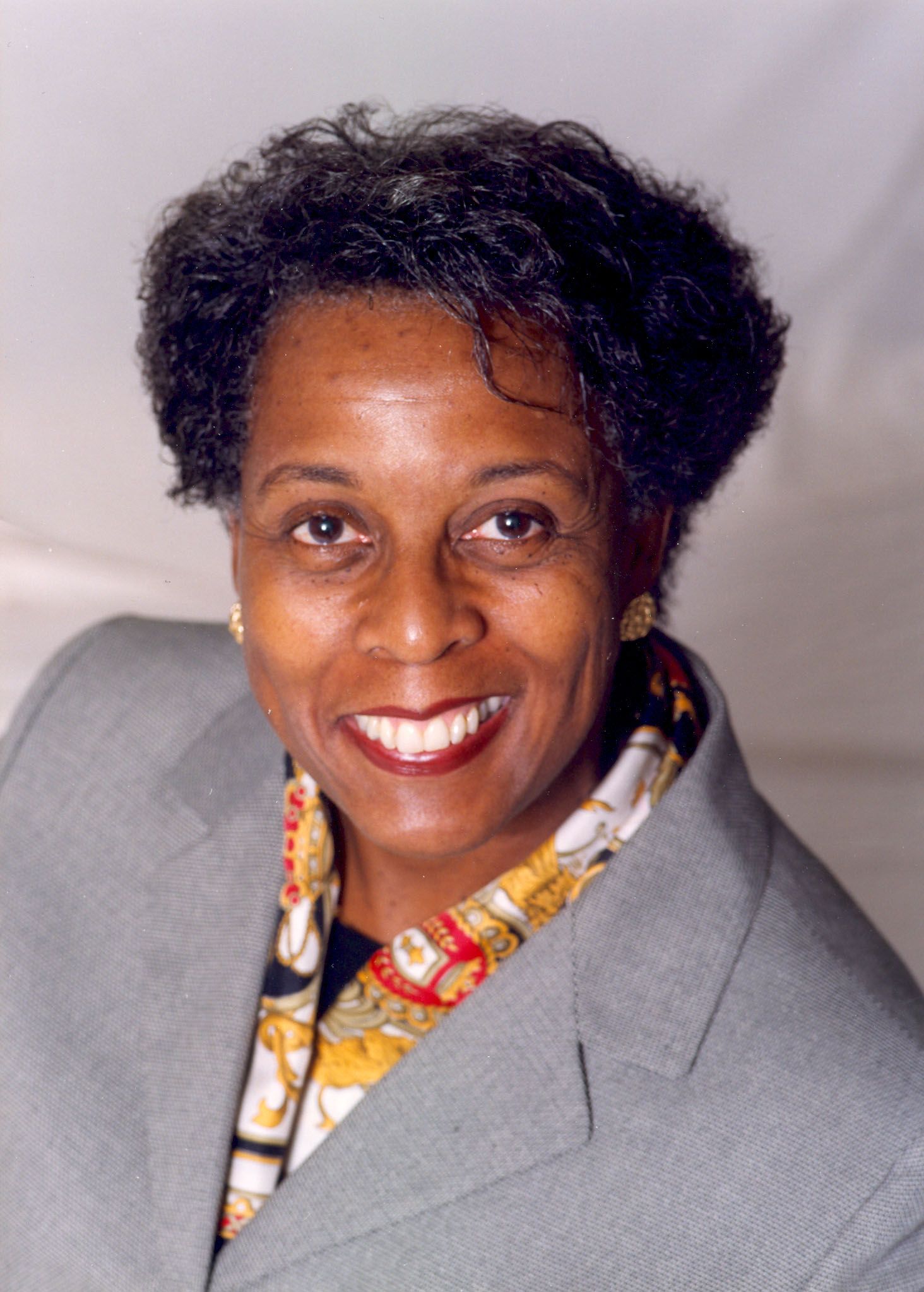 Dr. Vivian Lowery Derryck is the president and C.E.O. of The Bridges Institute, a non-profit she launched to strengthen African governance and leadership by forging trade and social development links between Africa and the BRICS, U.S., E.U. and the African Diaspora, when she was an Inaugural Fellow at the Advanced Leadership Initiative at Harvard University in 2009. Prior to her year at Harvard, she was Senior Vice President and Director of Public-Private Partnerships at AED, a U.S.-based non-profit working on education, health, and economic development in more than 125 countries. Previously, she served as the Assistant Administrator for Africa of the U.S. Agency for International Development as the senior government official directing foreign assistance to Africa. A veteran foreign affairs specialist, she has held numerous positions in both government and the non-profit private sector, including Deputy Assistant Secretary at the U.S. Dept of State, Executive Vice President of the National Council of Negro Women, Vice President of the National Democratic Institute for International Affairs, President of the African-American Institute and Senior Advisor of the Africa Leadership Forum. She taught at New York City Technical College and the University of Liberia, and for decades has concentrated on sustainable development in education, political participation, conflict resolution, leadership development, and women’s leadership in Africa, Asia and the Caribbean. A graduate of Chatham College (BA) and Columbia University (MIA), Dr. Derryck is listed in Who's Who and is a member of the Council on Foreign Relations and the Bretton Woods Committee. She serves on several non-profit boards, including the Jane Goodall Institute, Wellesley Centers for Women, Asian University for Women, Femmes/Afrique/Solidarité and Global Rights. She is the recipient of numerous awards, including the Guggenheim Humanitarian Award, Martin Luther King Service Award and an honorary doctorate.
|
|
|
|
|
|
|
Abstract |
|
|
|
|
|
|
|
|
Food Security and Social Action for 2050: Building African Capacity
Food security is a global effort, requiring global participation, yet one region will require special attention if it is to be a full participant: Africa. Africa’s ability to participate in the push to achieve this basic human right is compromised by a host of issues ranging from state insecurity to climate-change to insufficient human capacity.
My presentation will explore some of the special challenges facing Africa and suggest concrete steps to address them. I will discuss three clusters of impediments to food security: structural challenges, climate-change-related challenges and human capacity challenges. While progress in each cluster is essential, work in two key human capacity challenges could yield immediate results: 1) building an indigenous constituency for food security; and 2) integrating women into all aspects of the food security effort.
In regard to a constituency, food security will not be realized without a motivated citizenry across the continent which is mobilized to achieve the goal. The presentation will outline the steps to build a constituency and discuss the various institutions (such as the New Partnership for African Development [NEPAD]) and initiatives (such as the G-8 $20 billion multinational food security initiative) that the constituency must understand and support.
The second human capacity issue is gender-related. Women provide 70 percent of the farm labor in Africa, yet in a failure of African governments and donors across the continent, with few exceptions women are under-represented in extension services, research, program design, project implementation, training programs, and general decision-making in agricultural and food security initiatives. Gender issues are incorporated into less than 10 percent of agriculture-related ODA, yet women are key actors in developing and implementing new programs targeted to reduce the impact of climate change and increase agricultural productivity. Water management, seed production and distribution, forestry management, value chain management, biotechnology and livestock management are all areas where women could and should have major impact.
Across the continent, efforts to address structural and climate-related challenges must be reinforced by trained personnel and dedicated constituencies. The paper will conclude by proposing concrete steps for building a knowledgeable constituency and for integrating women into research, policy formulation, program design and implementation to help meet the structural and climate challenges so that Africa can contribute in tangible, measurable ways to global food security in 2050.
|
|
|
|
|