|
|
Biography |
|
|
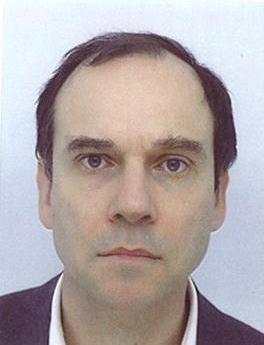 Michel Farcy holds a Masters degree from the Ecole des Mines de Paris. He started his career as a research scientist in "Jyoty Solar Institute", Gujarat, India in 1983 where he participated to the development and installation of gasifier units for irrigation moto-pumps. He then worked as production superintendent, process engineer and engineering manager in the chemical groups Rhône-Poulenc, DuPont, Monsanto and Ajinomoto. He joined Pall Corporation in 1996 where he has held various marketing positions. He currently is Vice President, Pall Industrial, in charge of Strategic Planning and Business Development for the water market globally. Michel Farcy is married, father of three children and leaves at Saint Germain en Laye, France.
|
|
|
|
|
|
|
Abstract |
|
|
|
|
|
|
|
|
All Community Drinking Water Needs By Membranes
Pressure-driven membrane processes such as microfiltration (MF), ultrafiltration (UF), nanofiltration (NF) and reverse osmosis (RO) are nowadays widely utilized to supply clean water dedicated to support domestic or industrial applications. In a first part, the paper briefly compares these four classes of membrane technologies with conventional types of water treatment. In a second part, it highlights how membrane technologies are suited to supply safe drinking water in all kind of communities from big cities to small villages. Two examples are reported for Thailand (Asia) as well as for Sénégal in West Africa. At last the paper outlines the synergy between membranes and solar energy. Given their technological efficacy, robustness and modularity, these membrane-based systems can serve as ideal tool for implementing a cost-effective and sustainable strategy to stop the emergence of water borne infectious diseases in the developing world and most specifically throughout the African continent. |
|
|
|
|