|
|
Biography |
|
|
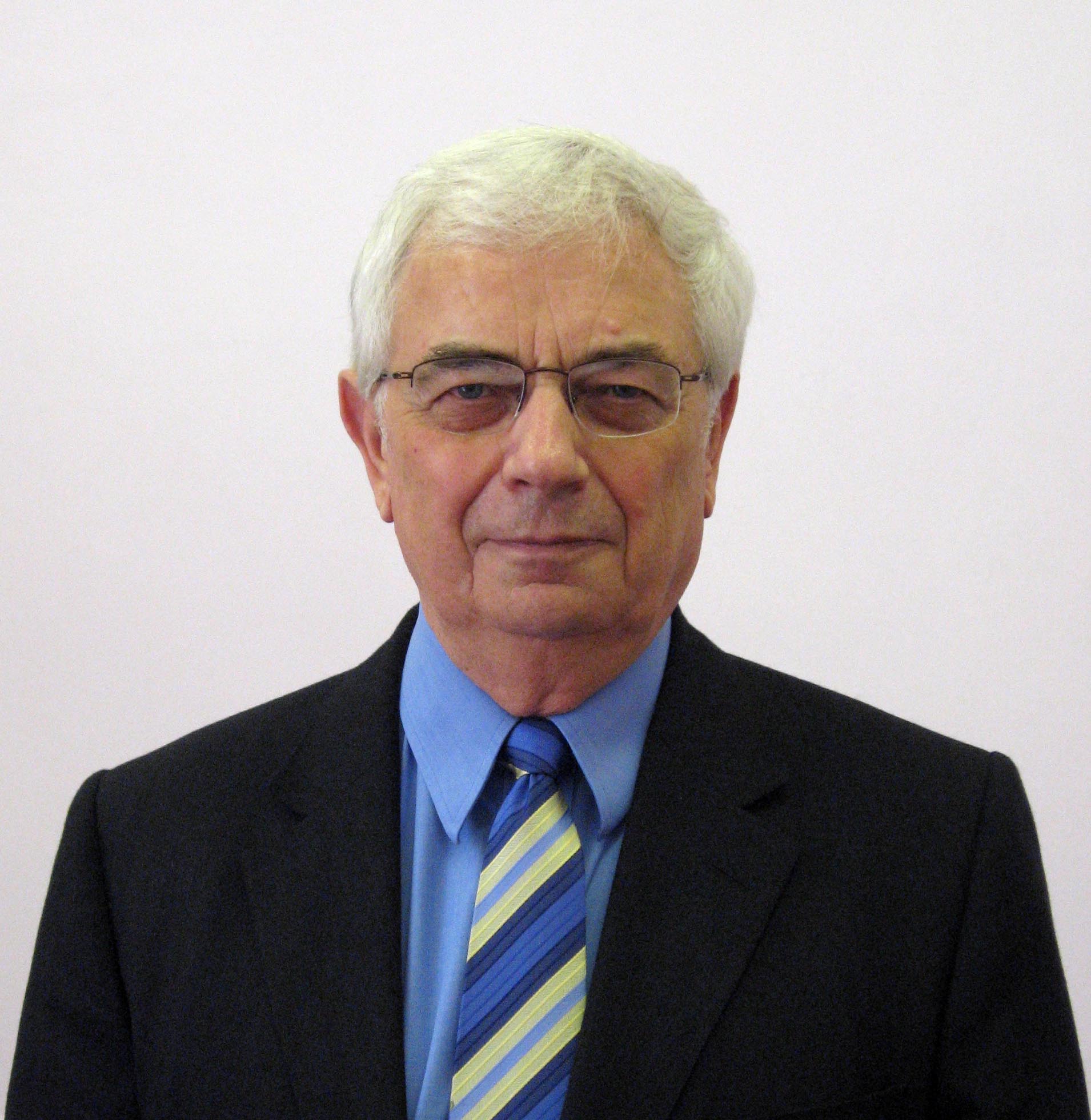 Malcolm Elliott graduated with First Class Honors in Plant Sciences from The University of Wales (1963) and received his PhD in plant biochemistry from The University of Wales in 1966. He was a Fulbright Scholar and Research Fellow at Yale University (1967–69). Lecturer in Plant Biochemistry at The University of Leicester (1969–71). Professor and Head of The School of Life Sciences at De Montfort University, Leicester (1971–94). Chairman of The College of Deans at De Montfort University (1989–93) then Founding Director of The Norman Borlaug Institute for Crop Improvement (1994 to date). Professor Elliott is the author of several hundred research publications with emphasis on molecular biological approaches to cereal improvement. He was awarded the Charles University Medal (1992), the Gregor Mendel Gold Medal for Biological Sciences Research of Exceptional Merit (1993), the Jan Evangelista Purkyne Medal (1994) and the DSc (Honoris Causa) of the Bulgarian Academy of Agriculture. Professor Elliott sees the role of the Norman Borlaug Institute as facilitating the delivery of food security and creation of wealth by applying cutting edge plant science techniques in crop improvement programs that will enable the sustainable enhancement of global agricultural production.
.
Malcolm Elliott graduated with First Class Honors in Plant Sciences from The University of Wales (1963) and received his PhD in plant biochemistry from The University of Wales in 1966. He was a Fulbright Scholar and Research Fellow at Yale University (1967–69). Lecturer in Plant Biochemistry at The University of Leicester (1969–71). Professor and Head of The School of Life Sciences at De Montfort University, Leicester (1971–94). Chairman of The College of Deans at De Montfort University (1989–93) then Founding Director of The Norman Borlaug Institute for Crop Improvement (1994 to date). Professor Elliott is the author of several hundred research publications with emphasis on molecular biological approaches to cereal improvement. He was awarded the Charles University Medal (1992), the Gregor Mendel Gold Medal for Biological Sciences Research of Exceptional Merit (1993), the Jan Evangelista Purkyne Medal (1994) and the DSc (Honoris Causa) of the Bulgarian Academy of Agriculture. Professor Elliott sees the role of the Norman Borlaug Institute as facilitating the delivery of food security and creation of wealth by applying cutting edge plant science techniques in crop improvement programs that will enable the sustainable enhancement of global agricultural production.
.
|
|
|
|
|
|
|
Abstract |
|
|
|
|
|
|
|
|
A Celebration of the Life of Norman Borlaug.
Nobel Peace Prize Laureate Norman Ernest Borlaug, “The Man Who Fed the World”, died on the 12th of September, 2009. He was 95 years old. Starting in the 1950s his team at CIMMYT produced high –yielding, disease-resistant wheat varieties whose progeny are now grown on more than 80 million hectares of farmland. It has been calculated that some one billion people were saved from starvation by the Green Revolution initiated by Norman Borlaug. When he accepted the Nobel Prize in 1970 he observed that “it is time that the tide of the battle against hunger was changed for the better – but ebb tide could soon set in if we become complacent.” The harsh reality of this warning was recognised in the early part of 2008 when the price of wheat and maize doubled and that of rice tripled, leading to food riots in 20 countries. Norm was convinced that the application of the cutting edge techniques of science-based agriculture would enable an Evergreen Revolution delivering the high yield, high quality, low-input, low environmental impact crops that are essential if we are to protect future generations. This celebration of the life of Norman Borlaug recognises that, in the words of World Food Prize Laureate Gurdev Khush, “The best homage that we can pay to this humane person is to work for a hunger free world and help those in need”
|
|
|
|
|