ICIL-Africa 2024 - 15 October 2024
Scientific Session – Chairperson: Prof. Bakri Osman
Small Theater - 13:00pm – 14:45pm
Meet the Scientific Session Chairperson
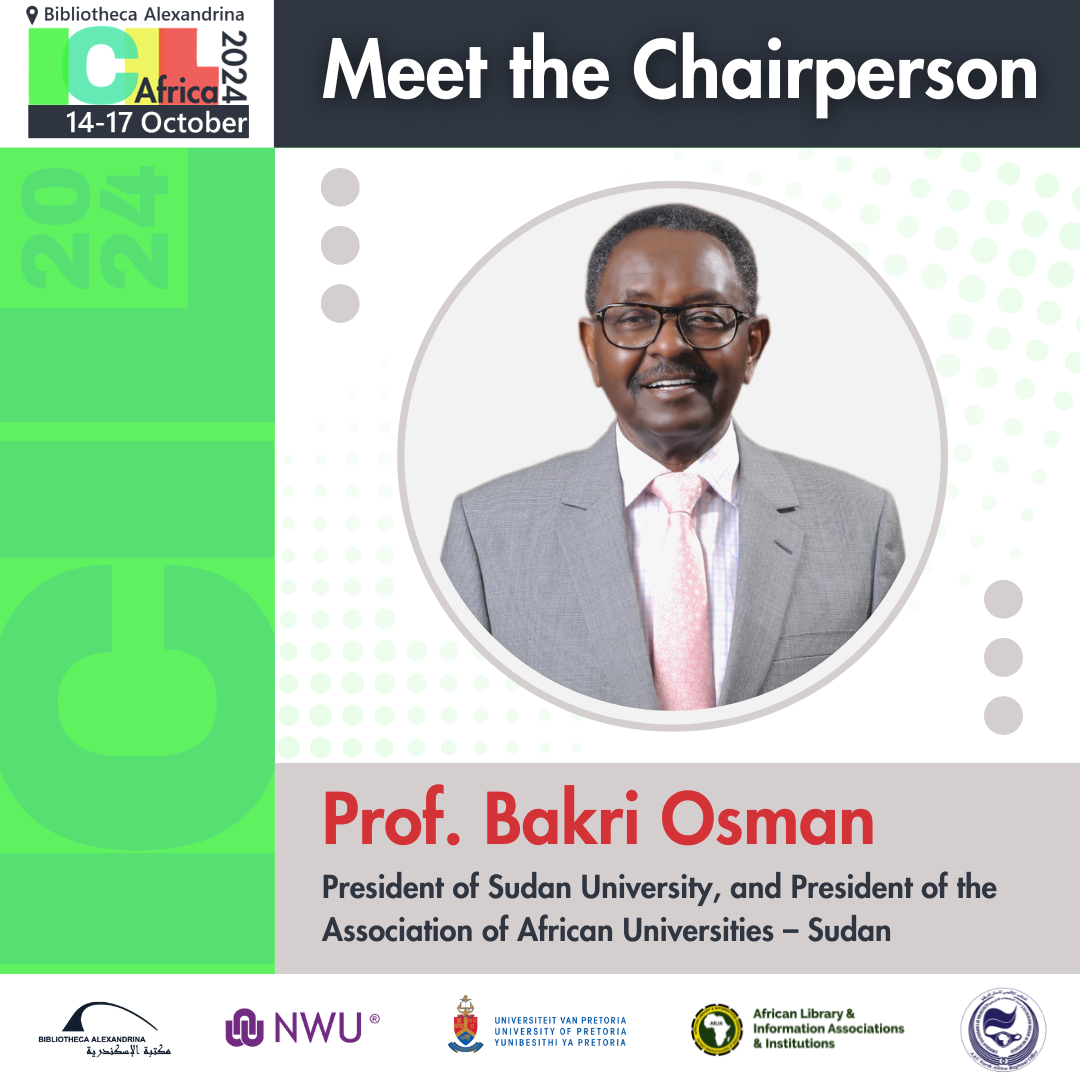
Prof. Bakri Osman Saeed obtained a Bachelor degree in Medicine and Surgery from University of Khartoum, a PhD from University of Leeds in the UK, a Doctor of Medicine from University of Newcastle-upon-Tyne, Fellowship of the Royal College of Pathologists and Fellowship of the Royal College of Physicians, London, UK. He is currently the President of Sudan International University and President of the Association of African Universities. He is UNESCO Chair in School Health Education in Sudan. Before that, he was the Founding Dean of St George’s International Medical School which is partnership between St George’s University in Grenada and Northumbria University in Newcastle-upon-Tyne.
He started his career as a lecturer in the University of Khartoum, and then worked for many years as Academician and Medical Consultant for University of Leicester, University of Newcastle-upon-Tyne and University of London (UCL) where he was Head of Department of Clinical Chemistry and Metabolic Medicine based at Whittington Hospital. He has been Visiting Professor for University of Northumbria in Newcastle and St George’s University in Grenada, where he is a Consultant to the Caribbean Reference Laboratory Project. He has been involved with many higher education and training bodies in the UK, Sudan and other countries. He was involved in conflict resolution and Peace promotion in Africa through appointment as Special Advisor to the United Nations University for Peace.
He was a member of ‘The Africa Team’, led by Ambassador Mohamed Sahnoon, Former Foreign Minister of Algeria and Kofi Anan’s envoy to Africa. He is currently the Chairman of the National Chamber for Health, Education and Training in the Sudanese Union of Chambers of Commerce. He has been a long-time advocate of environment protection and food safety and security, and he served as Member of the National Bio-safety Council in Sudan and Chairman of the technical Committee of the Council. He raised research funds from most of the major international funding bodies, including: USAID, NIH, WHO, European Union-TDR, Wellcome Trust and British Medical Research Council.
Title of the 1st Presentation
International Insights on AI Literacy (Download the presentation)
Abstract
Emerging technologies, such as artificial intelligence (AI), are shaping how we live and conduct our everyday lives, for the good and potentially, the bad. Libraries which use technologies to manage and provide information and related services are aware of the potential for AI to disrupt what they do and how they do it, and their role in informing their users about the benefits, detriments and inequities that AI creates. With the introduction of generative AI software, such as ChatGPT, which took the public by storm after it launched in November 2022, libraries and education institutions responded with concern about how students were learning and writing assignments, and potentially plagiarizing. For everyday users able to afford a smartphone, AI is incorporated to enhance their use, such as organizing their photos based on image recognition, so that they accept AI without much question. AI is rapidly changing how people learn, create content and access information. While librarians have some awareness of AI, in order to keep up, libraries have adopted diverse strategies, from training existing staff, to hiring new staff with a computing background, to buying turnkey solutions. However, an area that libraries can play a critical role in is teaching AI literacy.
What does it mean to be AI literate in an international context will be presented and explored. AI is being experienced and accessed differently in an inequitable world. What do we need to know to be AI literate in a world of haves and have-nots? What are the basic AI literacy elements that we should know and teach worldwide, and are there different perspectives and approaches we need to use internationally? The issues will be workshopped with librarians from different parts of the world in order to explore and address the above questions.
Author
Dr. Clara Chu, USA
Biography
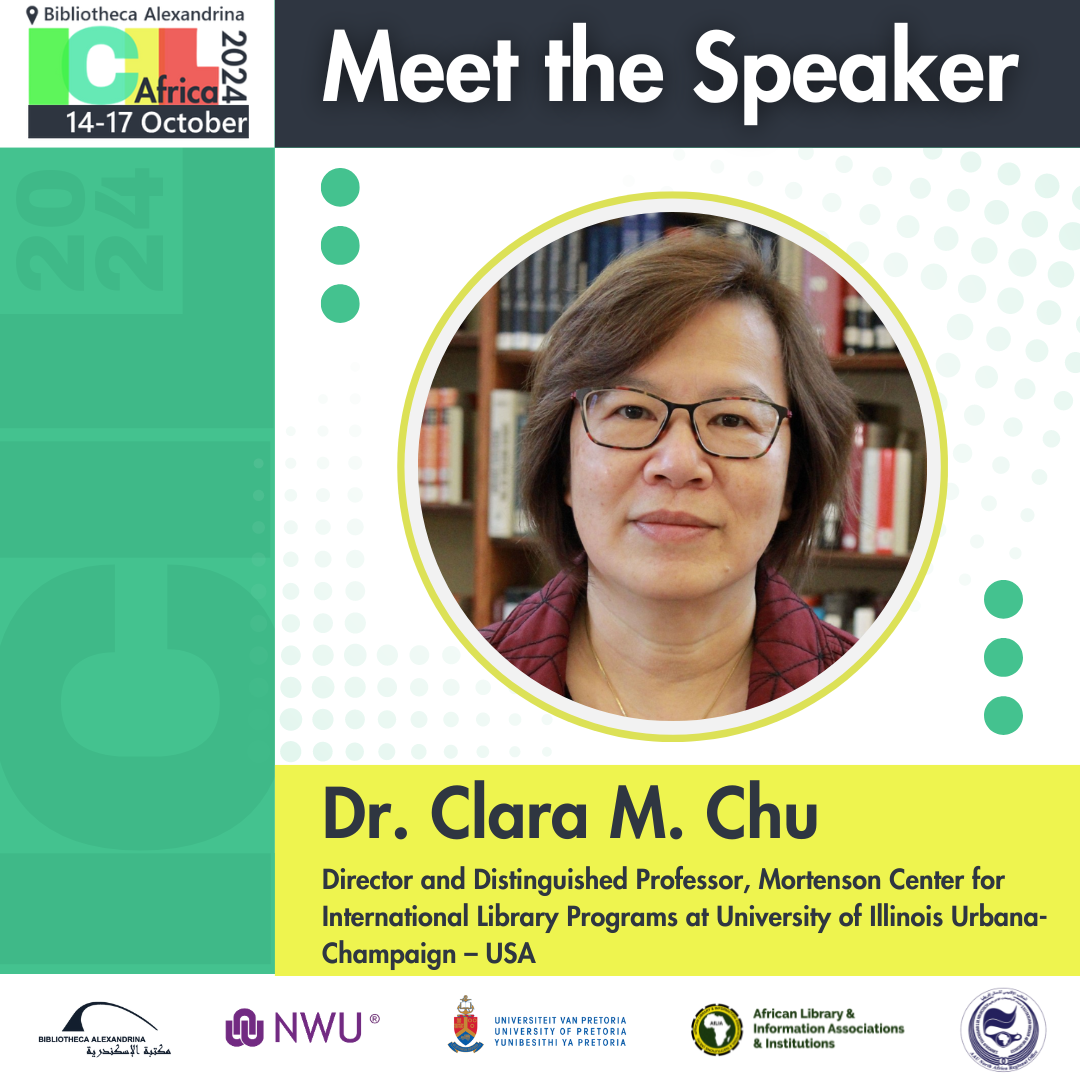
Clara M. Chu began her role as Director and Mortenson Distinguished Professor on June 1, 2015. A leading voice in equity, diversity and inclusion (EDI) in international context, she brings more than two decades of academic knowledge and professional experience to advance the mission of the Mortenson Center for International Library Programs. Dr. Chu publishes, presents and consults worldwide in English and Spanish on library and information science (LIS) education, EDI, strategic planning and leadership, research methods, marketing and promotion of libraries, library trends and emerging technologies, among other topics. Her research focuses on the social construction of library and information use, practices, and systems that impact access and collective memory in diverse communities. Her transnational, ethnic minority, and multilingual background provides her a distinctive and critical lens in the social study of information issues to transform professional practice and education internationally.
Committed to advancing the LIS field, Dr. Chu has held successive leadership positions in ethnic, regional, national, and international associations. She is Co-Chair of the IFLA Building Strong LIS Education Working Group, was president of the Association for Information Science and Technology (ASIS&T) and the Association of Library and Information Science Education (ALISE), and was ALA representative on the U.S. National Commission for UNESCO. She is Coeditor-in-Chief of Library Trends, serves on the editorial board of International Journal of Information, Diversity, & Inclusion, and co-edited the International Insights Column of College & Research Libraries News. She has been honored for her research, teaching and professional contributions locally and nationally; most recently, she was awarded the 2019 EMIERT Distinguished Librarian Award and the 2018 American Library Association’s Beta Phi Mu Award for distinguished service to education for librarianship.
Title of the 2nd Presentation:
AI-Driven Transformation: Advancing Information Literacy at the British University in Egypt Library (Download the presentation)
Abstract
The ever-increasing popularity of AI-based software tools presents both opportunities and challenges for information literacy education. The future of information literacy in academic libraries is poised for exciting developments and future transformations hence, traditional information literacy programs may not adequately equip patrons to navigate the current spectrum of AI research tools without encountering complexities regarding information evaluation, bias detection, and ethical research practices. To equip students with the skills to navigate and use information resources in their academic pursuits, the BUE Library offers an Information Literacy Program which provides a variety of learning opportunities including sessions, workshops, and web-based tutorials. This study focuses on the implementation of AI-driven tools within the library's information literacy sessions and the factors driving this implementation. It delves into the challenges faced by traditional methods of teaching information literacy and the opportunities presented by Artificial Intelligence solutions when used effectively to support students and faculty in their information-seeking process, resource discovery, and critical evaluation of information sources. Furthermore, the study explores the impact of AI on improving information literacy outcomes, enhancing user engagement, and fostering digital competencies among library patrons. Additionally, it discusses the ethical considerations associated with AI implementation in a library context, highlighting the importance of balancing technology with human expertise. By examining these opportunities and challenges in the context of developing information literacy instruction, the BUE Library ensure its information literacy program remains effective in the evolving digital landscape, empowering students to become both skillful and responsible users of information in the age of AI.
Author 1
Mr. Abdalrahman Sayed
, Egypt
Biography
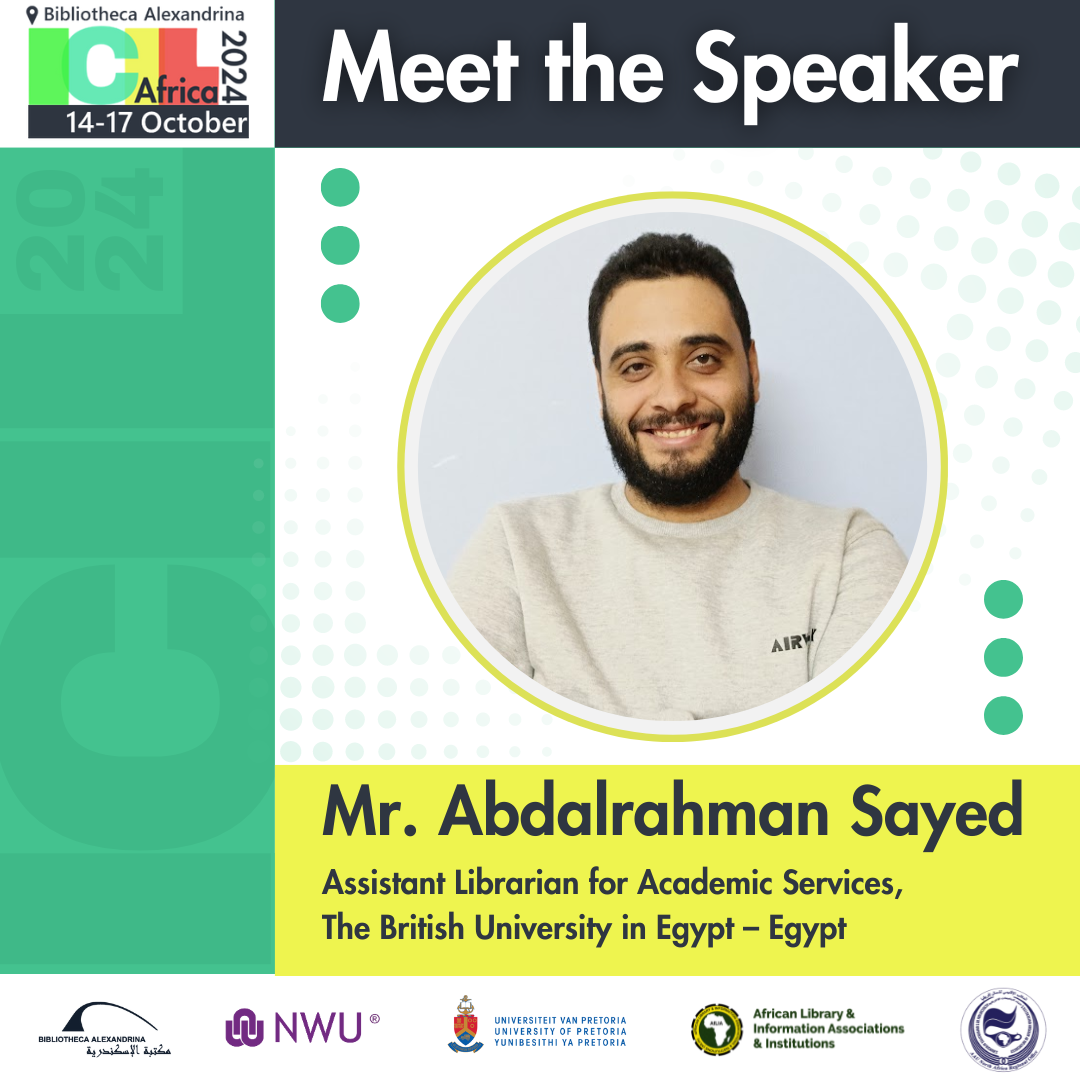
Academic Librarian with demonstrated experience in information literacy skills training, reference services, online information services, inter library loans, and circulation Services.
Currently serving as Assistant Librarian for Academic Services and Subject Librarian for the faculty of Arts and Design in the BUE Library.
With a passion for knowledge dissemination and a commitment to fostering academic excellence, I support scholarly pursuits within the British University in Egypt's community. Dedicated to facilitating access to information resources and promoting information literacy. actively collaborates with faculty, researchers, and students to provide tailored library services, research assistance, and instructional sessions to enhance their academic endeavors.
This dedication manifests in my collaborative approach, where I work closely with faculty, researchers, and students to tailor workshops, online subject guides and Information Literacy sessions that empower them to achieve their academic goals.
Author 2
Ms. Shimaa El.telbany
, Egypt
Biography
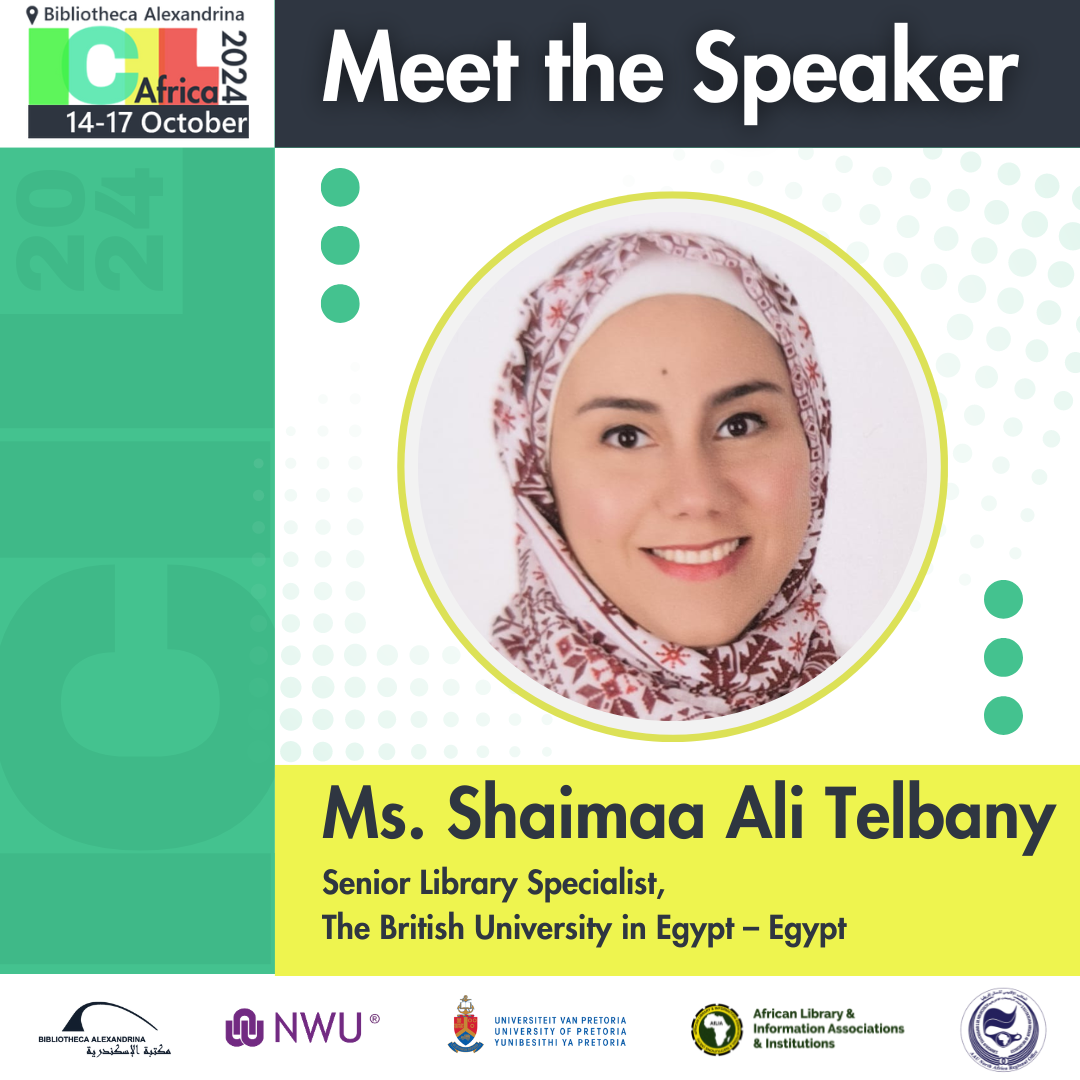 Senior Library Specialist with over 12 years of dedicated experience in the realm of academic research and library services.
Currently, my role as a Subject Librarian for BAEPs (Business Administration, Economics, and Political Science) and communication and mass media disciplines allow me to channel my passion for assisting students, faculty, and researchers in navigating the vast landscape of scholarly resources and information.
With a steadfast commitment to fostering academic success, I strive to empower individuals within these fields by providing tailored research assistance, curated resources, online subject guides and guidance in utilizing advanced research methodologies. My extensive experience equips me with the expertise to effectively address the diverse needs of the academic community, ensuring that they have access to the tools and knowledge necessary to excel in their academic pursuits.
Author 3
Ms. Suzan Ashmawy
, Egypt
Biography
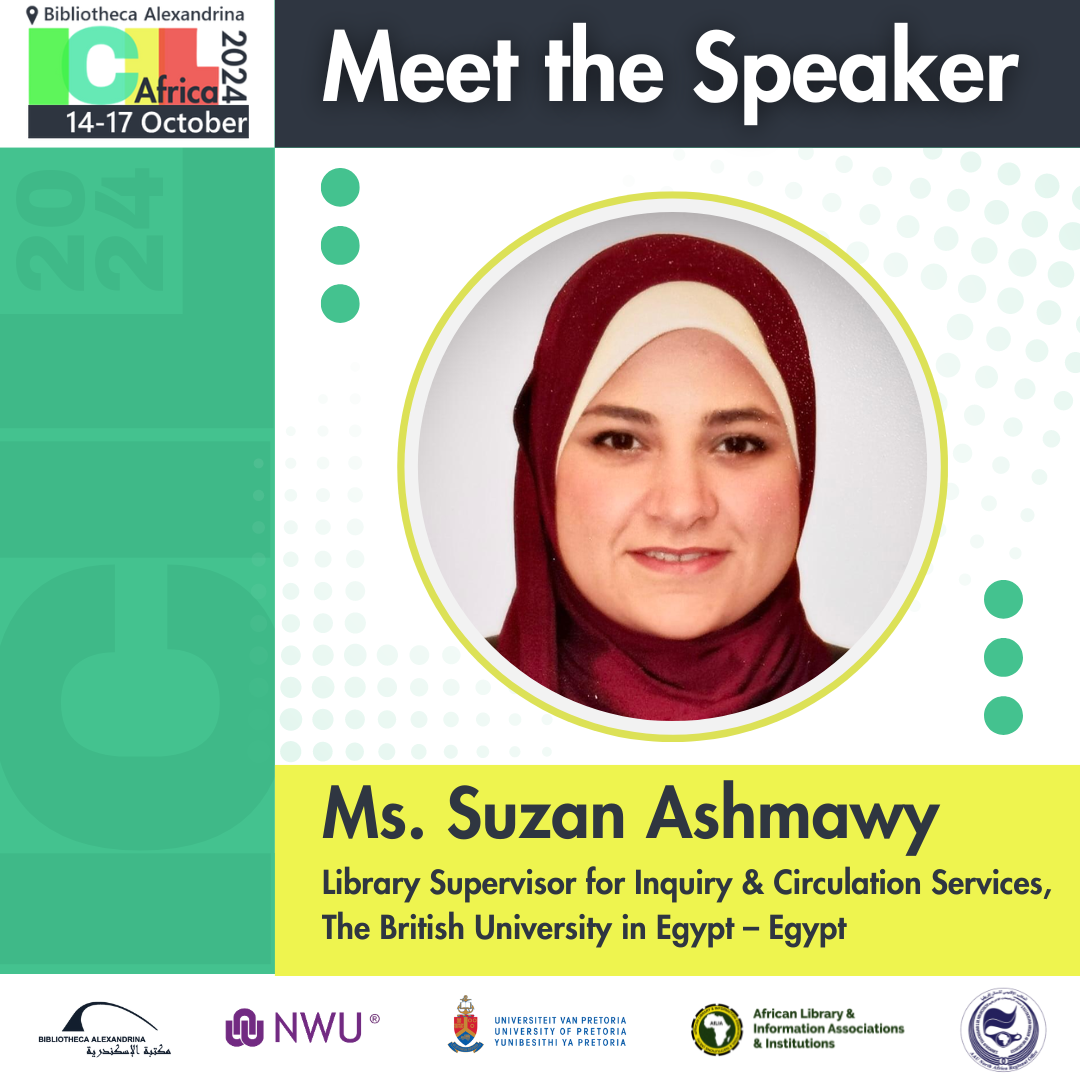 Library professional with expertise in both library service management and health sciences librarianship.
I hold both a Bachelor's degree and a Master's Degree in Library and Information Science from Cairo University.
Currently holding the position of Library Supervisor for Inquiry & Circulation Services at the BUE Library in Cairo, Egypt.
In this role, I supervise staff and operations related to information retrieval and circulation services. Additionally, I serve as the Subject Librarian for Health Sciences. This role involves curating the library's collection of health sciences resources, ensuring access to relevant databases and publications for students and faculty, and providing subject-specific research assistance and information literacy programs. Leveraging my combined experience in library management and health sciences librarianship, I play a vital role in facilitating research and learning at the British University in Egypt.
Title of the 3rd Presentation
Old wine in new bottles: delivering information literacy skills in the digital age (Download the presentation)
Abstract in English:
The advent of the COVID-19 pandemic coupled with the rapid emergence of technologies changed the channels through which information literacy can be taught. Previously, physical classes were the main method used with some reinforcement of concepts being provided by information on academic library websites. These entrenched teaching practices for delivering information literacy have become outdated and are also not favoured by the 21st Century students who are digitally savvy. Consequently, the potential for asynchronous learning associated with new digital literacies has ushered in self-paced learning amongst students. To remain relevant self-paced learning must be guided by online learning theories that emphasis the need for collaboration, authentic learning and independent study. In light of this, how extensively have academic libraries changed their online instructional strategies provided on their websites for reinforcing concepts or providing instruction to support the new teaching and learning preferences that have emerged as a result of the pandemic? Libraries have had to re-invent themselves to provide services as staff and students are now accustomed to using online platforms and the number of people using the physical library has decreased. Using content analysis this paper sought to investigate the pedagogical strategies adopted by public academic libraries in South Africa in the presentation of online information literacy content on their websites. Results indicate that interactive strategies were dominant whilst some academic libraries' content had not evolved as they remain asynchronous. There is a need for academic libraries to have instructional design capabilities to be able to develop relevant content.
Author 1
Ms. Zanele Hadebe, South Africa.
Biography:
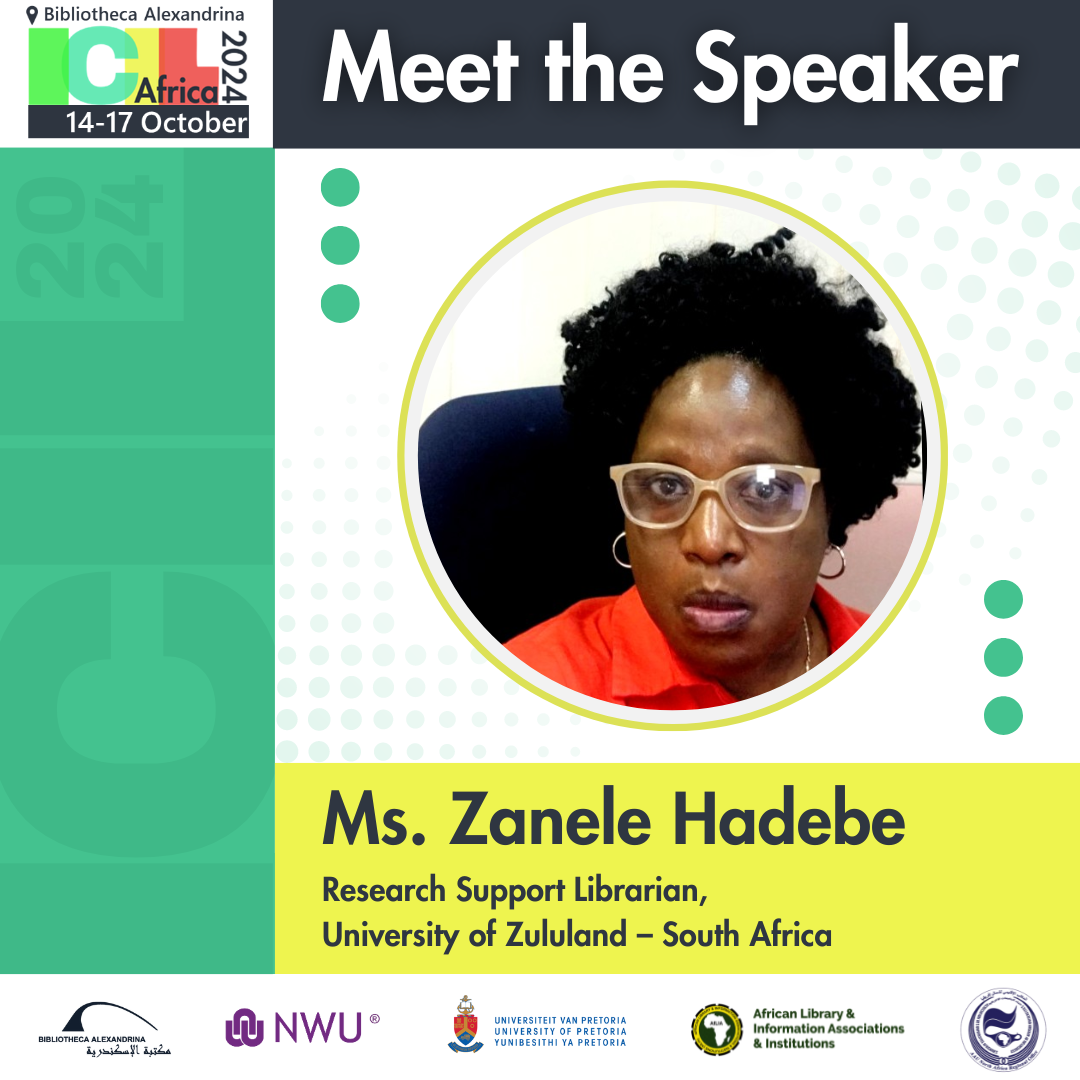 Zanele Hadebe is currently employed at the University of Zululand in South Africa as a Research Support Librarian with more than 15 years of experience under her belt, She has worked in various institutions in Southern Africa and holds an MLIS from the University of Botswana. Her research interests include research support services, digital literacy and Open Science amongst others.
Author 2
Dr. Sabelo Chizwina, South Africa.
Biography:
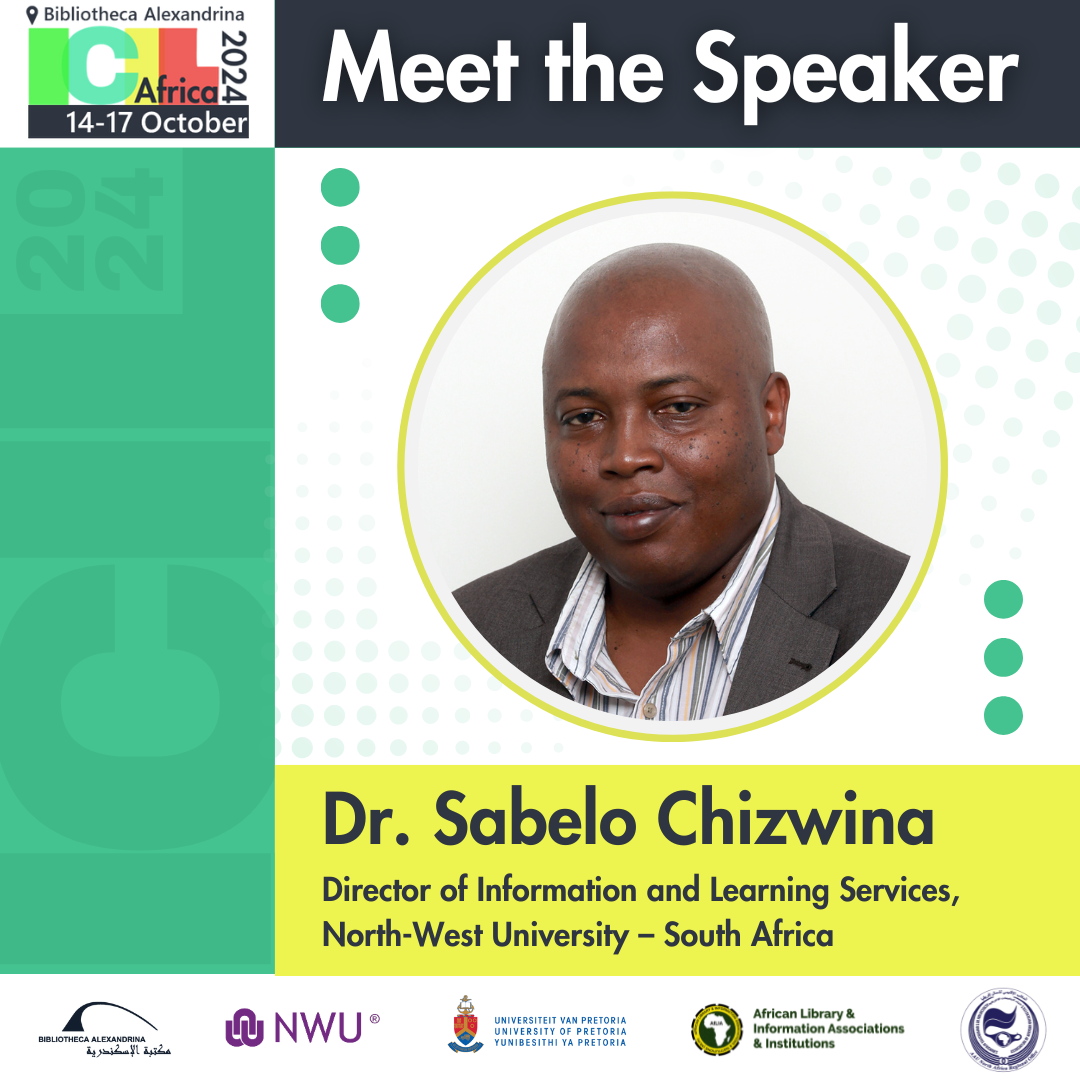 Dr. Sabelo Chizwina holds a Bachelor of Information Science Honors Degree (University of Pretoria), a Masters in Information Science (University of Pretoria), a Masters in Education with specialization in ICT (University of Cape Town), and a Ph.D. in Information Science (University of South Africa). He has held several leadership roles in academic libraries. Currently, he is employed as a Director responsible for Information and Learning Services at North-West University in South Africa. He has published extensively in academic journals, has several book chapters, and edited two books. He is a researcher with interests in fields including information literacy, the use of Artificial Intelligence in teaching and learning, the use of social media, information systems research, and embedded librarianship. He is also currently serving in several journal editorial boards and is the Co-General Chair for the International Conference on Information Literacy – Africa (ICIL Africa)
Title of the 4th Presentation:
Gearing up Public Librarians for the ‘Digital Inclusion of All’ mission: EIFL case studies from Uganda and Ghana. (Download the presentation)
Abstract
According to ITU (2021), in most of the African continent, just about 30 percent of individuals use the internet. Lack of internet access, costs of devices and connectivity, and significant skills and gender gap are the main reasons for the digital divide in the African region [1] . When equipped with computers and the internet, public libraries stand up as active partners in tackling the digital divide in their communities. Since 2017, the EIFL’s Public Library Innovation Programme (EIFL-PLIP) [2] has focused on building partnerships in Africa to empower public libraries to use technology to address community needs for new skills and knowledge. At the ICIL Africa 2024 conference, we suggest presenting and discussing a structured approach to gearing up public library networks for the 'Digital Inclusion Mission for All’ mission. Based on first-hand experience in Uganda and Ghana – specifically on the 'Digital Skills @ Your Local Library – Uganda' project (completed in 2023) [3] and 'Digital Learning @ Ghana Public Libraries' project (launched in 2023) [4] – we will showcase: • Partnerships built for strengthening support to library new roles and infrastructure. • Strategies to build an understanding of target groups’ needs. • Training of the Trainers for digital skills in public libraries. • Good practices to engage communities in digital skills training and digital learning. • Ways libraries assess and communicate their success and impact. We will complete the presentation by welcoming questions, comments, and experience from the audience.
Author 1
Ms. Ramune Petuchovaite, Lithuania.
Biography
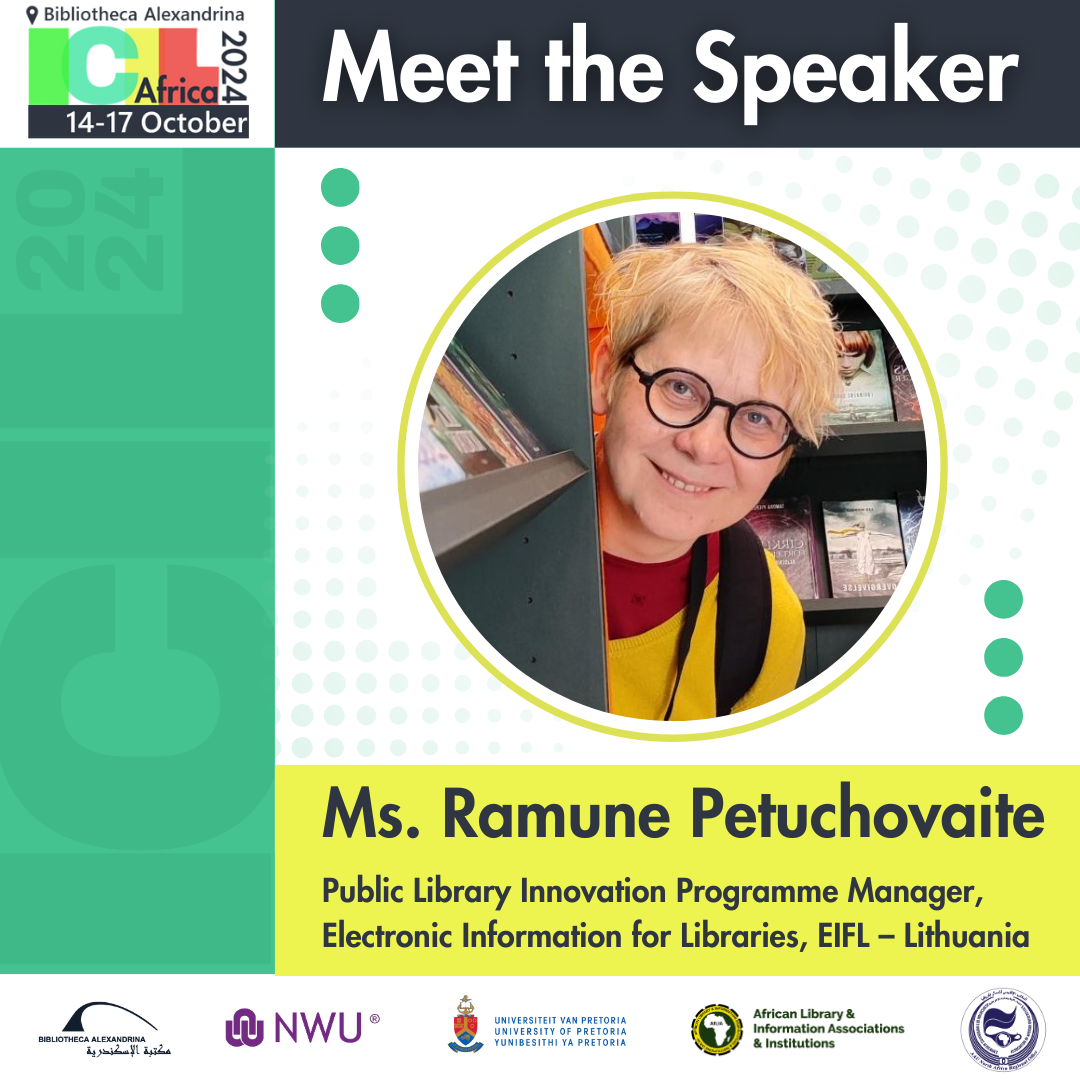
She is Public Library Innovation Programme manager at EIFL, the non-forprofit organization which partners with libraries to enable access to knowledge in developing and transition economy countries in Africa, Asia, Eastern Europe and Latin America. Since joining EIFL in 2012, she has worked with over 30 public library projects aimed at ICT-based services to address crucial community development needs in more than 20 developing and transition economy countries. She managed and contributed to the development of a framework for capacity building of public librarians in Africa, and an international leadership programme for young African librarians. Prior to joining the EIFL team, she served at the Ministry of Culture of Republic of Lithuania, as Chief Specialist at the Division of Information Society Development. Among many things, she was responsible for coordination of the countrywide project, ‘Libraries for Innovation’, co-funded with the Bill and Melinda Gates Foundation, that supported over 1,300 public libraries in Lithuania to launch and improve services offering public access to computers and the internet, and to provide ICT training in communities. She also lectured library and information students on library management, project management and other subjects at the Faculty of Communication, Vilnius University. She holds a library postgraduate degree from Vilnius University, Lithuania.
Author 2
Ms. Ugne Lipeikaite, Chile.
Biography
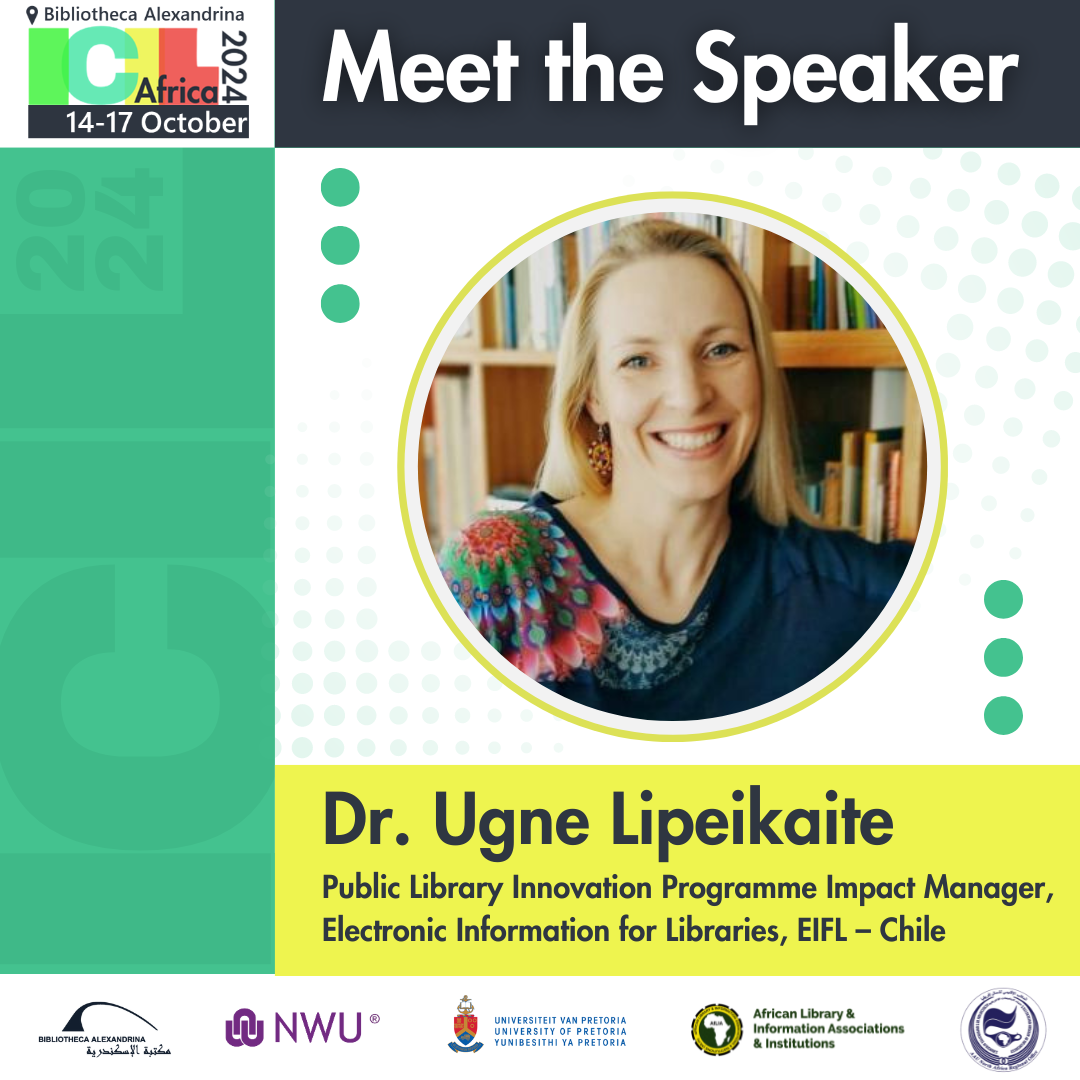
She is Public Library Innovation Programme manager at EIFL, the non-forprofit organization which partners with libraries to enable access to knowledge in developing and transition economy countries in Africa, Asia, Eastern Europe and Latin America. Since joining EIFL in 2012, she has worked with over 30 public library projects aimed at ICT-based services to address crucial community development needs in more than 20 developing and transition economy countries. She managed and contributed to the development of a framework for capacity building of public librarians in Africa, and an international leadership programme for young African librarians. Prior to joining the EIFL team, she served at the Ministry of Culture of Republic of Lithuania, as Chief Specialist at the Division of Information Society Development. Among many things, she was responsible for coordination of the countrywide project, ‘Libraries for Innovation’, co-funded with the Bill and Melinda Gates Foundation, that supported over 1,300 public libraries in Lithuania to launch and improve services offering public access to computers and the internet, and to provide ICT training in communities. She also lectured library and information students on library management, project management and other subjects at the Faculty of Communication, Vilnius University. She holds a library postgraduate degree from Vilnius University, Lithuania
Recordings and Media Coverage:
Watch the Recording
Download the Zoom Recording (Will be available Soon)
Session Photos