Publications
Books
 2025
2025
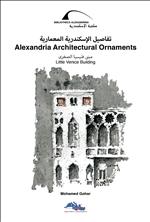
«لوحات تفاصيل الإسكندرية المعمارية»
Alexandria Architectural Ornaments:
The Little Venice Building, by architect Mohamed Gohar
في قلب مدينة الإسكندرية، وتحديدًا في منطقة محطة الرمل، يقع مبنى "فينيسيا الصغرى"، الذي يعد من أبرز معالم المدينة المعمارية بإطلالة فريدة على الميناء الشرقي التاريخي. صممه المعماري الإيطالي السكندري أليساندرو لوريا في عام 1926، والذي بدأ حياته المهنية كرسام في بلدية الإسكندرية، وشارك في تصميم العديد من المباني التي أسهمت في إثراء التراث العمراني للمدينة، مثل بنك مصر وفندق سيسل.
تُعتبر العمارة تحفة فنية، كما تضم "فندق فؤاد"، الذي كان يُطلق عليه سابقًا "بنسيون ميرامار"، والذي ألهم الكاتب الكبير نجيب محفوظ لكتابة روايته الشهيرة "ميرامار"، التي نُشرت عام 1967 وتحولت إلى فيلم سينمائي شهير قامت ببطولته الفنانة شادية.
أما عن التفاصيل المعمارية والزخرفية، فيتميز المبنى بعناصر مستلهمة من عمارة مدينة فينيسيا الإيطالية الشهيرة، مثل العقود المدببة في الطابق الأخير، واللوحات الفنية الزخرفية اليدوية التي تزين الأبراج في أركان المبنى، والتي صُنعت من قطع الموزاييك الملونة المستوردة من إيطاليا. بالإضافة إلى ذلك، تبرز التفاصيل المبهرة في نجارة الأبواب والشبابيك.
يتضمن المشروع 30 لوحة فنية توثق مجموعة من أهم زخارف "عمارة فينسيا الصغرى" قام بإعدادها المهندس المعماري محمد جوهر. فالزخارف ليست مجرد أشكال فنية، بل هي تعبير عميق عن الثقافة الإنسانية، وتحمل معاني غنية تعكس ثقافات وحضارات مختلفة عبر الزمن. يهدف المشروع إلى استكشاف الجوانب الجمالية للمباني التراثية التي تمثل جزءًا أساسيًا من ذاكرة الإسكندرية، وتُسهم في سرد تاريخها وتشكيل هويتها الفريدة
Throughout recorded history, the presence of ornaments signifies human thoughts and creativity. Likewise, ornamentation has consistently been a focal point in architectural dialogues. This prevalent trend has resulted in numerous notable publications, offering diverse perspectives on the practice of ornamentation.
This publication is a significant milestone in the architectural history of ornamentation in Alexandria, it includes 30 manually drawn and colored plates, showcasing the distinctive ornamental features of the Little Venice Building. This structure stands in the center of Alexandria's downtown, overlooking the Corniche and El Raml terminal tram station.
https://www.facebook.com/share/v/16SwauFxCf/
 2025
2025
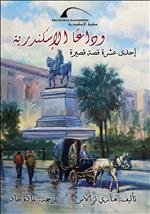
«وداعًا الإسكندرية»
إحدى عشرة قصة قصيرة
لهاري تزالاس
صدر عن مركز دراسات الإسكندرية وحضارة البحر المتوسط بقطاع البحث الأكاديمي بمكتبة الإسكندرية، النسخة العربية لكتاب «وداعًا الإسكندرية»، تأليف الكاتب اليوناني هاري تزالاس، وترجمة الأستاذة غادة جاد.
يضم الكتاب إحدى عشرة قصة قصيرة يروي فيها الكاتب تجاربه الشخصية في الإسكندرية؛ حيث تأخذنا القصص إلى ماضي المدينة الكوزموبوليتانية كما عاشها المؤلف، عبر خلفية الأحداث التاريخية الكبرى، بدءًا من الأجواء الهادئة في أواخر الثلاثينيات، مرورًا بفترة الحرب العالمية الثانية، وصولًا إلى ثورة 1952 وما تبعها من تشتت للجالية الأجنبية في المدينة.
ينسج الكاتب في قصصه شخصيات متنوعة من جنسيات وديانات مختلفة، لكنهم جميعًا سكندريون، عاشوا جنبًا إلى جنب في هذه المدينة العظيمة.
صورة الغلاف: ميدان المنشية، من أعمال الفنان خالد هنو
 2024
2024
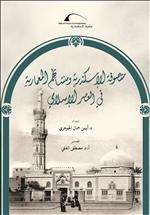
«متصوفة الإسكندرية ومنشاتهم المعمارية في العصر الإسلامي»
د. أيمن الجوهري
يتناول الكتاب جانبا مهما من تاريخ مدينة الإسكندرية في العصر الإسلامي والعصر الحديث، حيث يبدأ الكتاب بمحاولة التعرف على أسباب ارتباط العلماء والزهاد والصالحين واقامتهم بمدينة الإسكندرية خاصة الوافدين من بلاد المغرب. ويعرض الكتاب في الفصل الأول مفهوم التصوف الإسلامي ونشأته ومراحل تطوره بالإضافة إلى المؤثرات الفكرية التي أثرت فيه.
بينما يتناول الفصل الثاني التصوف والمتصوفة بمدينة الإسكندرية من القرن ٦-١٣هـ/ ١٢- ١٩م. وقد استطرد في الحديث عن التصوف والمتصوفة في القرن ٧هـ/١٣م موضحا مصادره وخصائصه بالإضافة التصوف في العصر العثماني وأهم طوائفه.
وأخيرا جاء الفصل الثالث للحديث عن منشأت التصوف بمدينة الإسكندرية كالرباطات والخانقاوات والتكايا والقباب الضريحية مستعينًا بما أمكن الاطلاع عليه من الوثائق والمصادر التاريخية. ليختم الكتاب بعد ذلك ببعض الملاحق.
 2023
2023
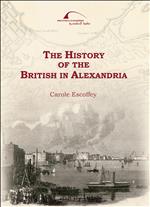
The History of the British in Alexandria
Dr. Carol Escoffey
The History of the British in Alexandria written by Dr. Carol Escoffey, French Lecturer at the Faculty of Education of Alexandria University who also worked for many years as a Researcher at the Alexandria and Mediterranean Research Center of the Bibliotheca Alexandrina.
The History of the British in Alexandria goes back to early Elizabethan times, when merchants, travelers and pilgrims made the long perilous journey to the city. Centuries later, modernization began under Muhammad Ali’s rule and gradually brought wealth and opportunity. Development attracted an influx of foreigners, including British, and foreign communities formed, giving Alexandria a distinctive cosmopolitan character. Thus, to this day, the city still bears the mark of a once vibrant British community, through the institutions it founded, such as schools, clubs, hospitals, churches, cemeteries, the railway—the first railway in Africa and the Middle East—as well as the Alexandria tramline.
In addition, the book also sheds light on major historical events, including the Battle of Aboukir in 1798, the riots and bombardment of 1882, and World Wars I and II, during which the Mediterranean Expeditionary Force and the Allied Fleet were based in Alexandria, dramatically transforming life within the city in numerous ways. Moreover, using original archive material, correspondence, memoirs, diaries and travel writing, the author has woven a vivid tapestry of the daily lives of British men and women who once lived in the legendary city.
 2021
2021
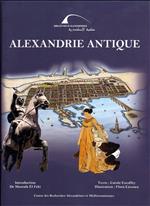
Alexandrie Antique
The French version of
"Ancient Alexandria Children’s Book"
An illustrated children’s book (for age range about 8-12 years) which focuses on Alexandria during the Ptolemaic and Roman period. Through short texts and colorful illustrations, it will give children an idea about many aspects of daily, religious and cultural life in ancient Alexandria, including what the city must have looked like with its most important monuments.
 2021
2021
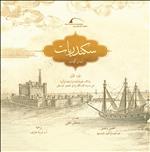
سكندريات إتيان كومب - الجزء الأول
صدر مؤخرا عن مركز دراسات الإسكندرية وحضارة البحر المتوسط التابع لقطاع البحث الأكاديمي بمكتبة الإسكندرية كتاب جديد يتناول تاريخ وحضارة مدينة الإسكندرية في العصور الوسطى بعنوان سكندريات إتيان كومب وهو الجزء الأول من سلسلة تتكون من خمسة أجزاء تصدر تباعا.
وجاء ذلك في إطار تكليف السيد رئيس الجمهورية عبد الفتاح السيسي لمكتبة الإسكندرية بتبني مشروع لترجمة أمهات الكتب في العديد من دروب المعرفة عن اللغات الأجنبية المختلفة. ويعد هذا الكتاب باكورة هذا المشروع الطموح حيث سعى المركز الى ترجمة ونشر مجموعة من الكتب والدراسات التي تتناول تاريخ مدينة الإسكندرية عبر العصور المختلفة؛ من بينها مجموعة من المقالات التاريخية والآثرية التي كتبها عالم الآثار والمؤرخ السويسري الشهير إتيان كومب مدير مكتبة البلدية بالإسكندرية واستاذ كرسي التاريخ الإسلامي الوسيط بكلية الآداب جامعة الإسكندرية في فترة الأربعينيات من القرن العشرين.
وتنفرد تلك المقالات بدراسة الطبوغرافية التاريخية والآثرية وتطور عمران مدينة الإسكندرية في العصور الوسطى الإسلامية ويتناول الجزء الأول منها دراسة طبوغرافية وتاريخية لضواحي المدينة بداية من الطريق الممتد ما بين مدينة رشيد ومدينة الإسكندرية وتطور بحيرة إدكو وأبوقير وجزيرة نيلسون في العصور الوسطى وبحيرة الحضرة وضاحية سموحة وبحيرة مريوط وما حولها من معالم طبوغرافية.
 2020
2020
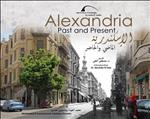
Alexandria Before and After Book
The book presents images of the city from a hundred years ago, and contrasts it with pictures of the same places now, sometimes from the same angle, and sometimes from a different angle. Due to the great change that happened to the city as much as it happened in the world of photography, we see that some places have preserved something from the past, and some have completely lost it.
 2019
2019
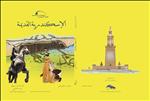
الإسكندرية القديمة
The Arabic version of
"Ancient Alexandria Children’s Book"
An illustrated children’s book (for age range about 9-10 years) which focuses on Alexandria during the Ptolemaic and Roman period. Through short texts and colorful illustrations, it will give children an idea about many aspects of daily, religious and cultural life in ancient Alexandria, including what the city must have looked like with its most important monuments.
 2019
2019
رسالة عن الإسكندرية القديمة
وضواحيها والجهات القريبة منها التي اكتشفت بالحفريات
وأعمال سبر الغور والمسح وطرق البحث الأخرى
قام مركز دراسات الإسكندرية وحضارة البحر المتوسط مؤخرًا بإعادة نشر وطباعة كتاب "رسالة عن الإسكندرية القديمة" لمحمود باشا الفلكي، صاحب الريادة في علم الفلك الحديث وفي علم الفلك الأثري، حيث أنه مضى ما يقرب من قرن ونصف على طباعة النسخة الأصلية من كتاب الإسكندرية القديمة لمحمود الفلكي باللغة الفرنسية والذي طبع في كوبنهاجن - بالدنمارك في 1872، جاءت النسخة المترجمة للعربية والتي طبعت في القاهرة عام 1967 وكان الفضل في ترجمتها وإصدارها باللغة العربية سعادة السفير محمود صالح الفلكي حفيد محمود باشا الفلكي وذلك حتى تكون هذه المذكرات في متناول القارئ العربي. وتأتي الطبعة الثانية من النسخة العربية والتي يصدرها المركز مقدمًا لتلك الجهود التي سبقت في تسجيل حقبة تاريخية واكتشاف مدينة الإسكندرية في العصور اليونانية الرومانية. يعود الفضل لمحمود الفلكي عندما قام بتكليف من الخديوي إسماعيل بعمل حفائر وتحديد تخطيط المدينة القديمة وشوارعها وموقع المباني والمنشآت العامة التي كانت تشملها المدينة كما قام كذلك بتسجيل ملاحظاته من خلال تلك الحفائر وما ترتب عليها من اكتشافات.
بالإضافة إلى ذلك، فقد قام الفلكي برسم خريطة للإسكندرية القديمة وأخرى للمدينة المأهولة ودوّن في تلك الخريطة جميع المباني العامة وشوارع المدينة بأسمائها، كما قام أيضًا بعمل دراسات مساحية ورسم خريطة للمنطقة المحيطة للمدينة والإقليم، ومن أبرز سمات هذه الخريطة تحديد بحيرة مريوط والمنطقة المحيطة بها في الدلتا حين ذاك، هي الأولى من نوعها لطبوغرافية الإسكندرية القديمة. ومما يبعث على الدهشة مع التقدير في آنٍ، أن خريطة الفلكي تلك ما زالت هي الخريطة الأم لطبوغرافية المدينة القديمة. وقد جاء تكريم الأعمال الجليلة لمحمود الفلكي حين أطلق مجلس بلدي الإسكندرية اسمه على أحد أهم شوارع وسط المدينة تخليدًا لذكراه واعترافًا بأعماله المأثورة في اكتشاف وتسجيل تاريخ الإسكندرية القديمة من خلال تلك التجربة الفريدة، وأيضًا لأبحاثه وكتبه الأخرى المنشورة دوليًّا ومحليًّا، وأيضًا لإسهاماته في تأسيس الجمعية الجغرافية بالقاهرة.
وبقيت خريطة الفلكي وكتابه – وسيبقيان - هما المرجع الأول والأساسي لكل من يدرس في تاريخ المدينة وآثارها، لذا فإن مكتبة الإسكندرية تفخر بتقديم هذا الكتاب مرة أخرى لجمهور القراء والدارسين، علَّنا بذلك نحقق الصلة بين الماضي القريب والحاضر، ونقدم المثل للعالم الجاد والعلم الدقيق الذي قدمه المصريون في تاريخهم الحديث.
 2018
2018
حكاية وثيقة
مختارات من وثائق محكمة الإسكندرية الشرعية في العصر العثماني
د. أيمن أحمد محمود
يأتي هذا الكتاب في إطار اهتمام مركز دراسات الإسكندرية وحضارة البحر المتوسط بمكتبة الإسكندرية بتوثيق التراث الإنساني والثقافي لمدينة عريقة مثل مدينة الإسكندرية من منطلق أن التوثيق هو أحد المراحل المهمة في الدراسات الإنسانية والتاريخية.
وتعتمد فكرة هذا الكتاب على نشر وتحقيق مجموعة منتقاة ونادرة من الوثائق الواردة بسجلات محكمة الإسكندرية الشرعية، التي تلقي ضوء جديدا ً على المدينة وسكانها من المصريين والعرب والأجانب، كما أنها تؤرخ بشكل تفصيلي للمدينة خلال ثلاثة قرون من العصر العثماني. وقد اعتمد هذا الكتاب في منهجه على الربط بين الوثيقة والحدث المرتبط بها، والتي تعتمد على طريقة السرد القصصي، حيث تعتمد حكاية الوثيقة على أركان السرد القصصي الواردة بالوثيقة وهي التاريخ والزمن والأشخاص والمكان الذي تعبر عنه الوثيقة فيما يتعلق بالحدث، وفي نهاية عرض الوثيقة وحكايتها يتم عرض نص الوثيقة بالكامل كما وردت بسجلات محكمة الإسكندرية الشرعية.
%20%D8%B3%D8%A8%D8%B9%D8%A9%20%D8%A3%D9%8A%D8%A7%D9%85%20%D9%81%D9%8A%20%D8%B3%D9%8A%D8%B3%D9%84.jpg) 2018
2018
سبعة أيام في سيسل
Arabic Translation of Sevent Days at the Cecil book.
Harry Tzalas
Seven Days at the Cecil is the personal recollections of Harry Tzalas as he returned in the 1990s to his city of birth (he left in 1956), and spent seven days at the Cecil Hotel. The book is largely a journey of remembrance throughout the Alexandrian streets, sites and people.
%20%D8%AA%D8%B7%D9%88%D9%8A%D8%B1%20%D9%88%D8%AA%D8%B1%D9%85%D9%8A%D9%85%20%D9%82%D8%B5%D8%B1%20%D8%A7%D9%84%D9%85%D8%AC%D9%88%D9%87%D8%B1%D8%A7%D8%AA.jpg) 2016
2016
تطوير وترميم قصر المجوهرات الملكية بالإسكندرية
د. علي رأفت
يؤكد مشروع الترميم المعروض بالكتاب على أن الفكر الواعي للمعماري الأستاذ الدكتور علي رأفت وإدراكه للقيمة التراثية والمعمارية للمبنى واحترامه لها، يؤدي إلى نموذج ناجح في التعامل مع المباني التراثية، ويبرز القيمة المعمارية والتاريخية لهذه النوعية من المباني، حيث تأتي أهمية هذا المشروع بعدما تعرض العديد من المباني التراثية ذات القيمة المعمارية والتاريخية بالإسكندرية إلى الهدم والتخريب وسوء الاستعمال. ولهذا، نأمل أن يكون هذا المشروع مثالاً ومنهجًا يُحتذى به في التعامل مع المباني ذات القيمة المتميزة التي يجب الحفاظ عليها وإعادة توظيفها كونها تشكل جزء من ذاكرة وتاريخ وحضارة الوطن.
ومن هذا المنطلق جاءت فكرة نشر هذا الكتاب الذي يعرض مشروع إعادة استخدام أحد أهم المباني التراثية الموجودة في مدينة الإسكندرية، وهو مشروع ترميم وإعادة استخدام قصر الأميرة فاطمة الزهراء ليكون متحفا للمجوهرات الملكية الخاصة بأسرة محمد علي باشا.
وقد قام بهذا العمل فريق من المتخصصين والفنيين قاموا بإرجاع التحف الفنية في القصر إلى أصلها لكي تكون أمام الزائر للمتحف تجربة عملية ليتعرف على لمحة من خلفية توثيقية للمتحف ولمجوهرات الأسرة العلوية في فترة هامة من تاريخ مصر الحديث.
The renovation process documented in the book affirms that the conscientiousness of the architect, Dr. Aly Rafaat, his awareness of the heritage and architectural value of the museum, and his respect for it lead to a successful process of dealing with heritage buildings and highlight their architectural and historical importance. The significance of this project soared after the demolition, destruction, and misuse of many heritage buildings of great architectural and historical importance in Alexandria. We therefore hope that it will become a model approach for dealing with valuable buildings that should be preserved and repurposed, for they represent part of the nation’s memory, history, and civilization.
 2016
2016
L’expédition d’Alexandrie
by Abbas Abou Ghazala
The book was published in cooperation with Geuthner Publishing in France, the author analyzes the confrontation of two generals of the Revolution, Napoleon Bonaparte and Jean Baptiste Kléber, and reconstructs the little-known story of Alexandria during the Egyptian expedition between 1798 and 1799, using documents historical and iconographic.
 2016
2016
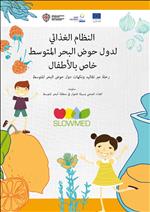
النظام الغذائي للأطفال بالبحر المتوسط
The Mediterranean Diet for Children
تم العمل على هذا المشروع في ستة بلدان مختلفة إيطاليا، إسبانيا، البرتغال، لبنان، فلسطين، مصر بهدف نشر حوار إبداعي متعدد الثقافات لدعم الهوية الثقافية لدول البحر الأبيض المتوسط بناءً على تراثها العريق في فنون الطبخ.
تُعتبر مبادرات الترويج للنظام الغذائي الخاص بدول حوض البحر الأبيض المتوسط من صميم المشروع كاملاً، وقد تناقصت أنشطته خلال سنتين لتقتصر على مجموعة محدودة من الأنشطة مثل الأبحاث، ورشات العمل، المسابقات، والمناسبات الدولية، وذلك لكي يتم ردم الهوة بين الأجيال القديمة – حراس تراث مطبخ البحر الأبيض المتوسط والأجيال الحديثة لأطفال وشباب قد يضلّون طريقهم بسهولة في خضم هذه العولمة التي تمحي تدريجياً التقاليد والجذور.
في كل بلد من تلك البلدان، أجريت لقاءات مع كبار في السن من أجل الحفاظ على أسرار هذا النظام الغذائي.
تُعتبر كل وصفة تم الحصول عليها كنزاً من المعلومات والقصص الشخصية التي تتجذر عميقاً وتتصل
بالتقاليد غير المكتوبة والمتناقلة لكل بلد. تم انتقاء بعض الوصفات لتتلاءم مع أصغر أعضاء مجتمعاتنا؛
القصد من وراء هذا الكتاب هو أن يكون أداة «لزرع بذرة» لدى هذا الجيل الشاب، ومساعدته لاكتشاف قصة كل وصفة طعام وكذلك أهمية التغذية الصحية، وتقديم هذا الكتاب كخطوة أولى لتشجعيهم على الطبخ ولفت انتباههم لما يأكلون.
يجمع هذا الكتاب 6 وصفات من كل موسم، مرتبة بحسب التوزيع اليومي للوجبات وذلك وفقاً للنظام
الغذائي لدول حوض البحر الأبيض المتوسط: الفطور، وجبة خفيفة، الغداء، العشاء، ثم التحلية. تم إضافة وجبة تقليدية لكل موسم مع القصة الرائعة وراء تلك الوجبة.
24وصفة جمعناها بين دفّتي هذا الكتاب لتكون دليلاً للأطفال، لا ليكتشفوا الوصفات المرتبطة بتقاليدهم
وحسب بل أيضاً، مدى غنى تراث مطبخ حوض البحر الأبيض المتوسط الذي يعيشون فيه. إنها طريقة لبدء حوار متعدد الثقافات ليس عبر الكلمات فقط، وإنما عبر المذاق والنكهات والحواس.
The current book came along the collaboration of 24 chefs and 6 nutritionists from both shores of the Mediterranean Sea on the framework of the project “SlowMed – Food as a means of dialogue in Mediterranean Contexts”, funded by the ENPI CBC MED programme (www.enpicbcmed.eu).
This project took place in six different countries – Italy, Spain, Portugal, Lebanon, Palestine and Egypt – with the objective of promoting a creative intercultural dialogue, consolidating a Mediterranean cultural identity based on its culinary heritage.
The Mediterranean Diet – and its promotion - has been the core of the whole project, and it has been declined during 2 years into different activities (researches, workshops, contests, international events) in order to bridge the gap between the old generation – the last guardian of the intangible heritage of the Med Diet – and the new generation of children and young people, who can easily get lost in the globalization process, which is gradually making traditions and roots disappear.
In each country involved in the project, elderly people were interviewed in order to keep the secrets of the Mediterranean Diet. Each collected recipe is a treasure of information and personal stories, whose roots are deeply connected to the not written tradition of each country. Some recipes have been selected to be conveyed to the youngest members of our society: this book is meant to be a tool to “plant a seed” into this new generation, making youngsters discover the story of each meal but also the importance of a healthy nutrition, giving them a first help to start to cook and being aware of what they eat.
The digital copies of the book:
Arabic: http://slowmed.eu/media/sm-book-web-ar.pdf
English: http://slowmed.eu/media/sm-book-web-en.pdf
 2014
2014
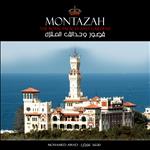
Montazah
The Royal Palaces and Gardens
By Dr. Mohamed Awad
The 250-pages book presents a historical and architectural documentation of Montazah, providing a touristic guide with its rare photos, drawings and maps that narrate the history of Montazah.
In 5 chapters, the book offers a historical background on Salamlk; the Khedive palace, Haramlk; the royal summer residence, the 1952 Revolution, and other palaces and gardens.
 2013
2013
Hassan Fathi Award for Architecture 2013
(Award Memorial Book)
The book is issued yearly to document architectural competitions along with submitted and winning projects of the Hassan Fathi Award as well as the jury report and the speeches given by the guests during the ceremony.
To download the book click here:
http://www.bibalex.org/en/publication/index?availablein=&keywords=hassan+fathi¢ers
=&datefrom=&dateto=&type=&collection=&related=
 2013
2013
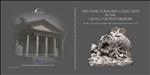
The Omar Toussoun Collection in the Graeco-Roman Museum
This volume is dedicated to the Omar Toussoun Collection of the Graeco-Roman Museum. The collection is wide ranging and includes architectural elements, sculpture, minor arts and pottery, all of which have as their provenance the Canopic region, 20 kilometers east of Alexandria. The collection was donated by the prince in 1923, and was exhibited in Room 22, named The Prince Omar Toussoun Hall in his honor.
 2013
2013
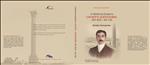
A Historical Guide to Cavafy’s Alexandria
The book aims to place the series of Cavafy’s history-inspired poems in their context, enabling the reader to gain a broader understanding both of Alexandria’s Greco-Roman past and of Cavafy’s unique gift as a historical poet. The Greek Alexandrian poet takes us on an illustrated journey in space and time to both the real and the imagined Alexandria.
 2012
2012
Hassan Fathi Award for Architecture 2011-2012
(Award Memorial Book)
The book is issued yearly to document architectural competitions along with submitted and winning projects of the Hassan Fathi Award as well as the jury report and the speeches given by the guests during the ceremony.
To download the book click here:
http://www.bibalex.org/en/publication/index?availablein=&keywords=hassan+fathi¢ers=&datefrom
=&dateto=&type=&collection=&related=
 2012
2012
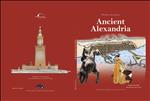
Ancient Alexandria Children’s Book
An illustrated children’s book (for age range about 9-10 years) which focuses on Alexandria during the Ptolemaic and Roman period. Through short texts and colorful illustrations, it will give children an idea about many aspects of daily, religious and cultural life in ancient Alexandria, including what the city must have looked like with its most important monuments.
 2012
2012
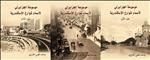
El Gazayerli Encyclopedia for Alexandria’s Street Names
Alex Med published the El-Gazayerli Encyclopedia for Street Names of Alexandria, compiled over a period of 30 years and completed in 1967, the Encyclopedia comprises information about the names of Alexandria’s streets, linking the city’s past history with its present.
 2011
2011
Sacred Places & Popular Places in the Mediterranean
Cultural Routes: Sacred Places and Popular Practice in the Mediterranean is a research project funded by Ramses2. The project’s findings, which are included in this book, fill a gap in the knowledge of sacred sites of different faiths, as well as highlighting the role of interconfessional dialogue and exchange. The book begins with a journey in the past and present to six major sanctuaries of antiquity that have become places of worship of Christian martyrs and saints in Greece. It then travels to Alexandria to deal with three cults related to the city during the Greco-roman period, and it presents the Coptic faith, Greek Orthodoxy in Egypt and Jewish pilgrimage sites deeply connected to Alexandria and its environs. It also deals with moulids in the city. Finally, the journey takes the readers to eastern side of the Iberian Peninsula to discover the holy caves of the middle and modern ages.
.jpg) 2010
2010
Hassan Fathi Award for Architecture 2010
(Award Memorial Book)
The book is issued yearly to document architectural competitions along with submitted and winning projects of the Hassan Fathi Award as well as the jury report and the speeches given by the guests during the ceremony.
To download the book click here:
http://www.bibalex.org/en/publication/index?availablein=&keywords=hassan+fathi¢ers=&datefrom
=&dateto=&type=&collection=&related=
 2010
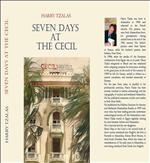
Seven Days at the Cecil
2010
Seven Days at the Cecil
About the Book :
“Alexandria… How can one recover the city of his childhood? What nostalgic pull wills him back to the traces of his past? A wish, perhaps, to find in secret corners the Alexandrian child that once was? With the writing of a guidebook to Alexandria – a pretext, of sorts – the different descent into the abyss of memory is attempted, deep in the myth and the history of a universal city. When the clepsydra is reserved, seven days need suffice for this esoteric pursuit of a place both celestial and earthly. The material holds the immaterial, waiting through the centuries for each soul who longs to return. Landmarks of the past are still there: the Cecil Hotel, the Corniche, Ramleh, Gomrok el Adim, Sidi Bishr, the Rue Fouad, Chatby, Qait Bey… But where will your steps lead you now that no familiar faces remain to warm your sight, now that beloved voices have fallen silent?”
About the Author:
Harry Tzalas was born in Alexandria in 1936 and educated at the French schools. His parents, too, were both Alexandrian-born, his grandparents having settled there at the end of the 19th century.
In 1956, when the exodus of the European communities from Egypt was at its peak, in 1959 he left for Greece, settled in Athens as a marine consultant, he has been actively involved in marine archaeology and the topography of ancient and mediaeval Alexandria.
He established the Hellenic Institute for Ancient and mediaeval Alexandrian Studies in 1997, and since then, has been leading periodic underwater archaeological surveys off the Alexandrian coast.
Seven Days at the Cecil is his second book of short stories translated into English; the first is Farewell to Alexandria.
 2009
2009
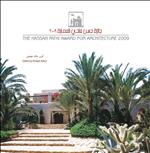
Hassan Fathi Award for Architecture 2009 (Award Memorial Book)
The book is issued yearly to document architectural competitions along with submitted and winning projects of the Hassan Fathi Award as well as the jury report and the speeches given by the guests during the ceremony.
To download the book click here:
http://www.bibalex.org/en/publication/index?availablein=&keywords=hassan+fathi¢ers=&datefrom=&dateto=&type=&collection=&related=
 2009
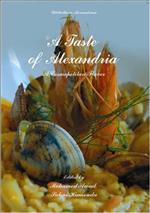
A Taste of Alexandria
2009
A Taste of Alexandria
Editors: Mohamed Awad and Sahar Hamouda
This book will take you on a journey through the existing as well as lost eaters of Alexandria, all the way from Agami in the west to Abu Kir in the east. On the way, take your pick of the goodies offered by street vendors and learn about the eating habits of the different communities - it’s all a taste of Alexandria. Try recipes from around the Mediterranean and sample dishes served during occasions and festivities. Your journey in space and time will help you savor the flavor of gastronomy in cosmopolitan Alexandria !
 2009
2009
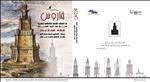
Pharos: “Ancient and Western Sources - Research in the History of Architecture”
فاروس المصادر الاسلامية القديمة والغربية – بحث في تاريخ العمارة
Author: Herman Tirsch
About the Author:
Herman Tirsch (1874- 1939) was a German archaeologist and a professor in the University of Tubigen. He participated in a series of archaeological expeditions to Alexandria and the rest of Egypt in the beginning of the twentieth century, resulting in a series of publications known as Expeditions of Ernst Von Sielgen.
 2009
2009
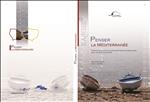
Penser la Méditerranée
Overall outcomes of the lecture series "Thinking the Mediterranean" between May 2006 and April 2009. The lectures are means of dialogue and exchange. Their themes have focused on shared memories, conflicts and also on the cultural, historical and commercial roots common to the inhabitants of the Mediterranean region.
"Thinking the Mediterranean" is part of the EU funded project (Ramses2), that aims to build a Euro-Mediterranean research space and to encourage a sustainable way of working together between the scientific institutions of the network". This network is operated henceforth under the laboratory Mediterranean House of Human Sciences.
 2008
2008
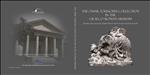
Prince Omar Toussoun and His Archeological Legacy
Omar Toussoun assisted archeologists and scholars, and facilitated and participated in archeological excavations on his own lands in Aboukir and Mamoura. This book highlights his contribution in the discovery of a large portion of the ancient Alexandrian heritage and to its preservation.
 2008
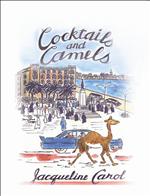
Cocktails and Camels
2008
Cocktails and Camels
Author: Jacqueline Carol
Cocktails and Camels is a lively and humorous portrait of a family of Lebanese origins living in the heyday of cosmopolitan Alexandria during the 1930s and 1940s. The reader discovers the heroine’s extensive family of cousins, aunts and uncles, and sees a vivid picture of a Mediterranean lifestyle typical of interwar Alexandria. The author wittily evokes the diversity of cultures in a thousand small details that make this book a delightful read from beginning to end.
1 2 > >>