Behind every delicious meal we enjoy lies a series of chemical reactions that not only give our food its rich flavor and attractive look but also affect its nutritional value. Our kitchen is our first laboratory; understanding the basic chemical processes that take place there can make us better and more aware cooks.
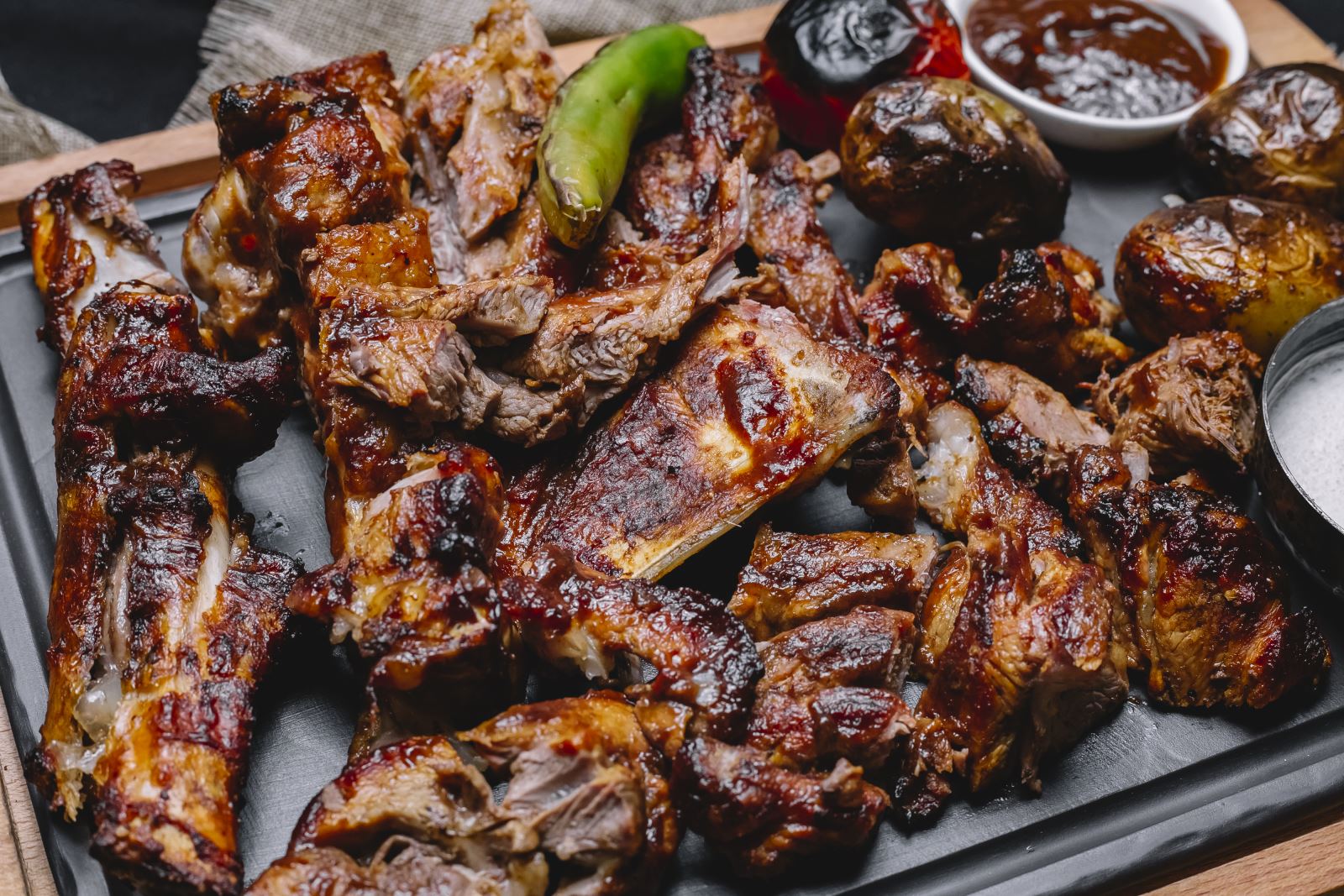
Two of the most famous reactions in the culinary world are the Maillard reaction and caramelization. Even though both reactions give food a brownish color and a rich flavor, they differ in their nature. The Maillard reaction, named after the French scientist Louis-Camille Maillard, is a chemical reaction that occurs between amino acids (the building blocks of proteins) and sugars when exposed to high heat (140–165°C). This reaction is responsible for the complex flavors and the distinctive brown color in grilled meats, toasted bread, and even roasted coffee. According to scientific researches, the products of this reaction, known as MRPs, can be beneficial because they act as antioxidants. However, some may become harmful when food is cooked at very high temperatures for long periods.
.Designed by Magnific
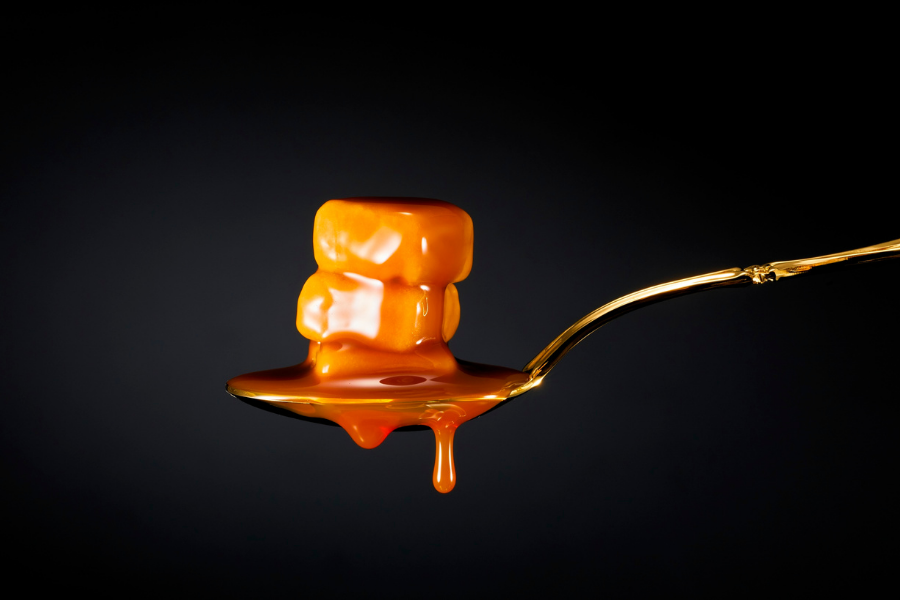
On the other hand, caremalization is a simpler process that occurs when sugar is heated alone at high temperatures (starting at around 110-180°C depending on the type of sugar). This heating causes sugar molecules to break down and form new compounds that give us the golden-brown color and the sweet nutty flavor we know from caramel desserts and caramelized onions. The main difference between caramelization and the Maillard reaction is that caramelization requires only sugar and heat, while the Maillard reaction needs proteins in addition to sugar.
Source: Canva.com
You might expect that oil and water would never mix, but this actually happens during emulsification, which is a fundamental chemical process that occurs when we blend oil and water using emulsifying agents such as lecithin found in egg yolk. This reaction is the secret behind the success of mayonnaise and creamy sauces, as lecithin molecules act as a bridge between water and fats, creating a stable and uniform mixture.
Another essential process that takes place during cooking is the change in the structure of proteins, known as protein denaturation. When we cook eggs or meat, heat breaks the weak bonds in the proteins, changing their natural structure. These changed proteins then join together in a process called "coagulation", which is the process that changes the liquid eggs into solid eggs and soft muscles into cooked meat.
However, the chemistry in the kitchen is not limited to flavor and color; it also extends to the nutritional value. Cooking can significantly affect the vitamin content in our food. Water-soluble vitamins, such as vitamin C and the B vitamins, are sensitive to heat and can break down or can be transferred to the cooking water. Studies have shown that cooking methods like boiling can lead to a significant loss of these vitamins, while other methods, such as steaming or microwaving, help retain higher amounts. for example, it has been found that vitamin C retention ranges from 0% in some boiled vegetables to over 90% when cooked in the microwave. On the other hand, the absorption of fat-soluble vitamins such as vitamin A, D, E, and K may become easier after cooking.
In conclusion, understanding these simple chemical processes gives us the ability to better control cooking outcomes. By choosing the right temperature and the best cooking method, we can create the perfect balance between delicious flavor and strong nutritional value, transforming our kitchen into a place of scientific creativity that enriches our daily lives.
References
https://doi.org/10.1155/2015/526762
link.springer.com/article/10.1007/s11483-015-9410-7
https://doi.org/10.1007/s10068-017-0281-1
https://doi.org/10.1007/978-3-642-20665-8_79
https://doi.org/10.1016/B978-0-08-100596-5.21630-2
Cover photo: Yannick Laurent from Angers, France, CC BY-SA 2.0 <https://creativecommons.org/licenses/by-sa/2.0>, via Wikimedia Commons